Last Updated on October 8, 2026
National Moth Week is a mothing event that’s hosted by Friends of the East Brunswick Environmental Commission, a 501c3 non-profit organization based in Central New Jersey. It first began in 2012 as a local event, but has since grown into an international citizen science initiative that invites people worldwide to document moth species and share their observations, contributing to both science and conservation.
National Moth Week is the perfect time to learn more about these fascinating insects. Here are a few ways to celebrate with kids.
This post contains affiliate links. As an Amazon Associate, I may earn a commission (at no cost to you) if you click through the link and finalize a purchase.
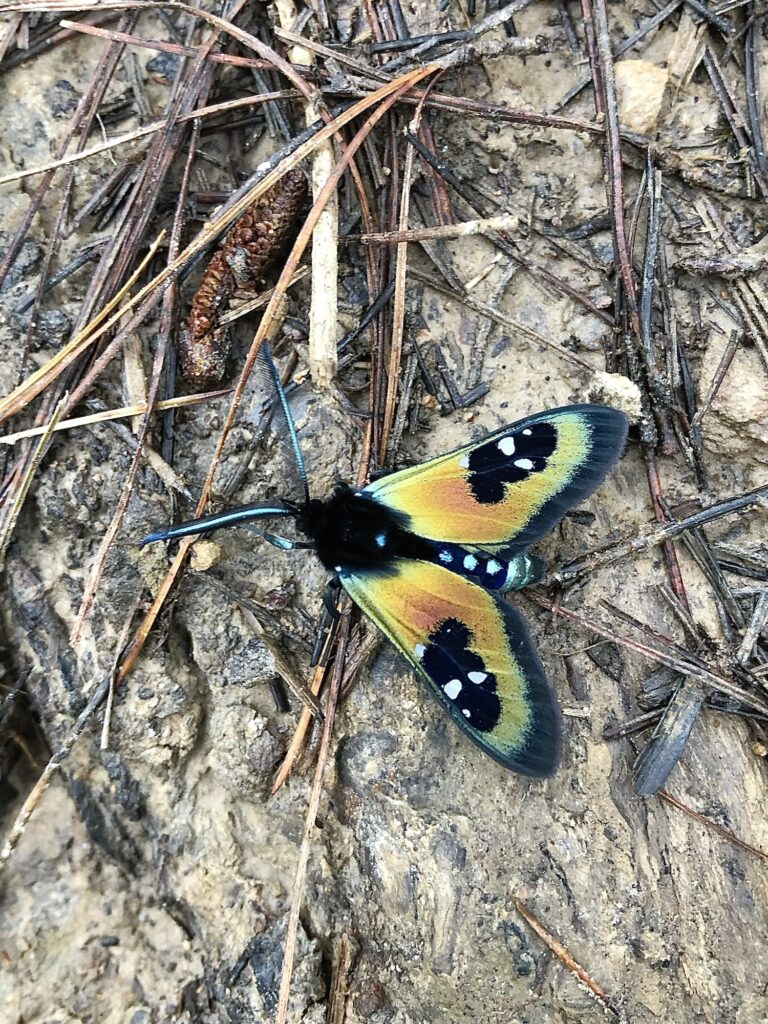
Go Mothing & Share Your Observations
The best way to celebrate National Moth Week is to go mothing and upload your observations to iNaturalist or Project Noah to contribute to their databases. Citizen scientists can play an important role in scientific research and discovery of moths.
iNaturalist shares this example of how important observations from citizen scientists can be. “Only ten [Frosted Phoenix (Titanomis sisyrota) moths] had ever been found — the last in 1959 — and scientists worried it was extinct. But then, in 2024, a tourist visiting New Zealand photographed one on his hotel balcony and shared it to iNaturalist. Since then, the Frosted Phoenix has been documented on iNaturalist almost 20 times!”
You don’t have to be a scientist to go mothing. It’s very easy to start and is a fun activity to do with kids. After dark, hang a white sheet between 2 posts or drape it over a tree branch. Then shine a bright light onto it to attract moths and create a good backdrop for photographs.
When a moth lands, wait until it has stopped moving and snap a photo. Afterwards, upload your photo(s) to iNaturalist or Project Noah to have them identified.
According to iNaturalist, “Moths are everywhere, but they can be tricky to identify, especially from photos alone. There are many more moth species than butterflies, and telling two apart can come down to something as detailed as the size of a single spot on a wing! So, do your best to add a broad identification when you share your moth observations (even just ‘butterflies and moths’ helps experts find your photos!), and see what the community can help you uncover from there.”
To learn more about participating in citizen science projects with kids, check out my post Citizen Science for Outdoorsy Kids on the Tales of a Mountain Mama blog.
Build a Moth Trap
While the sheet method described above is the simplest way to attract moths for observation, building a moth trap is another (albeit more involved) option.
Learn how to build your own moth trap with this tutorial. And be sure to release the moths after you’ve taken photos!
Learn More About Moths
National Moth Week is a great time to for kids to learn more about these intriguing insects. This Encyclopedia Britannica article on moths gives an overview and is a great place to start.
You and your kids may also enjoy these informative videos about moths:
The Dust on Moth Wings: What It Does and Why It Matters
Why Moths are Obsessed with Lamps
Learn About the Life Cycle of Moths
Learning more about the life cycle of moths can lend further insight about them and their behavior. These videos give a good overview.
The Life Cycle of Butterflies and Moths
Watch This Caterpillar Turn Into A Chinese Luna Moth
Learn About Moth Anatomy
Butterflies and moths are very similar, but they do have some distinct differences. Knowing the basics about moth body parts can help you determine if an insect is a moth or a butterfly.
Below is an illustration of a butterfly (on the left) and moth (on the right) with their different parts identified.
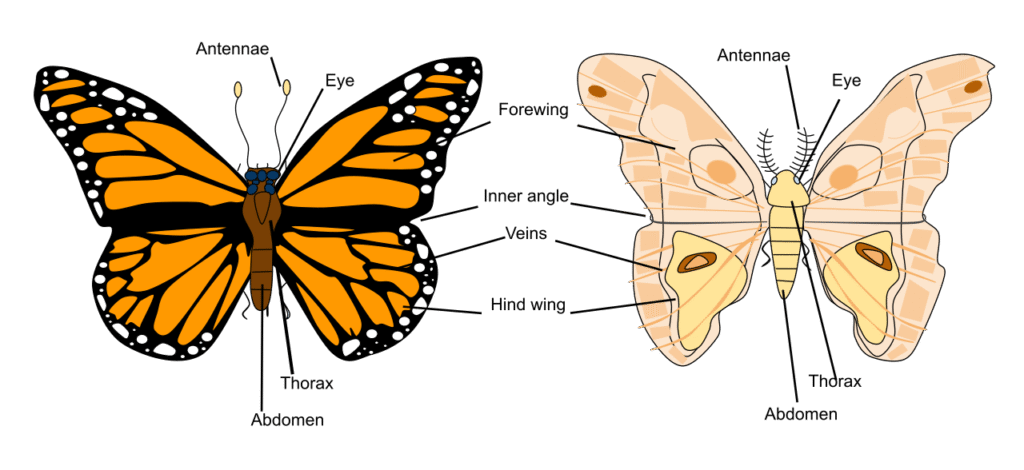
To learn more about the differences between these two types of insects, check out this video:
Discover Different Kinds of Moths
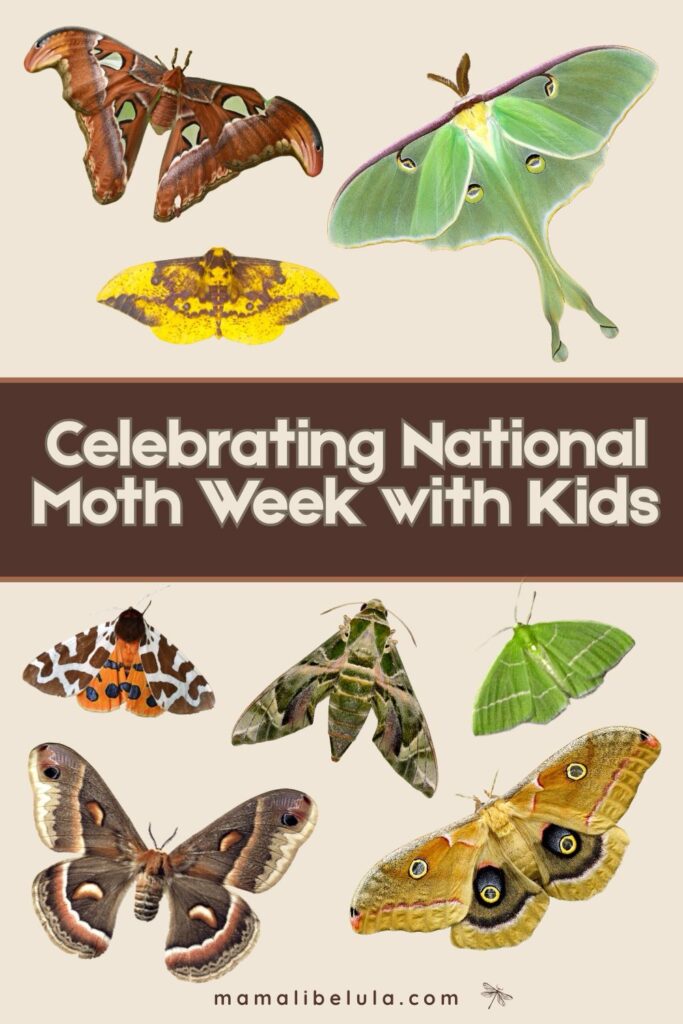
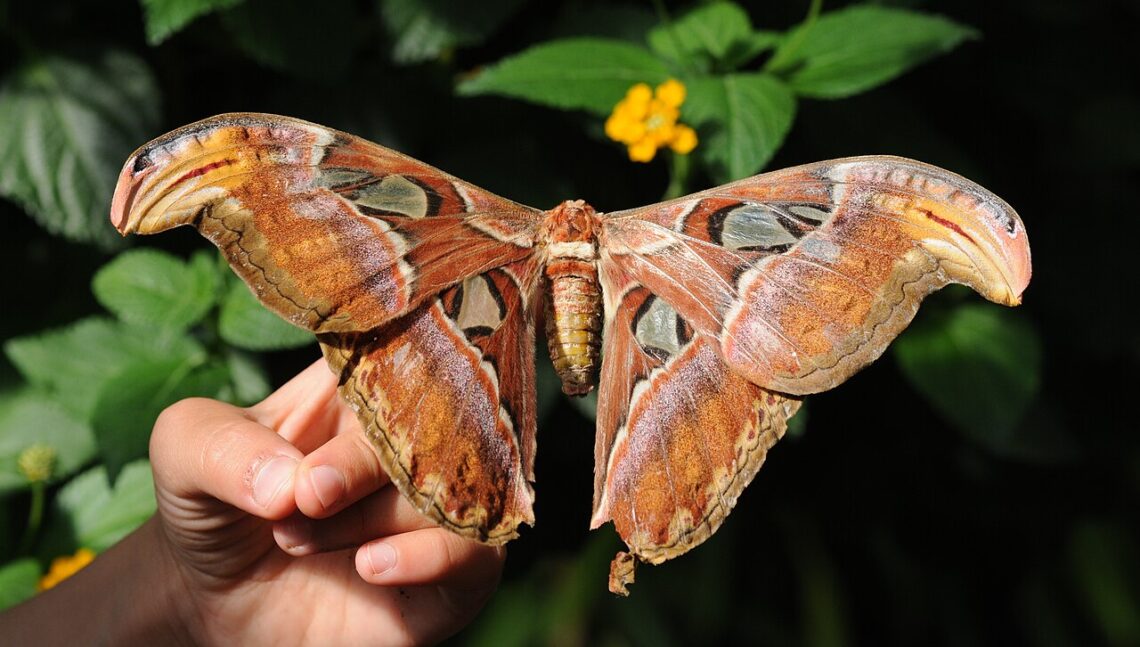
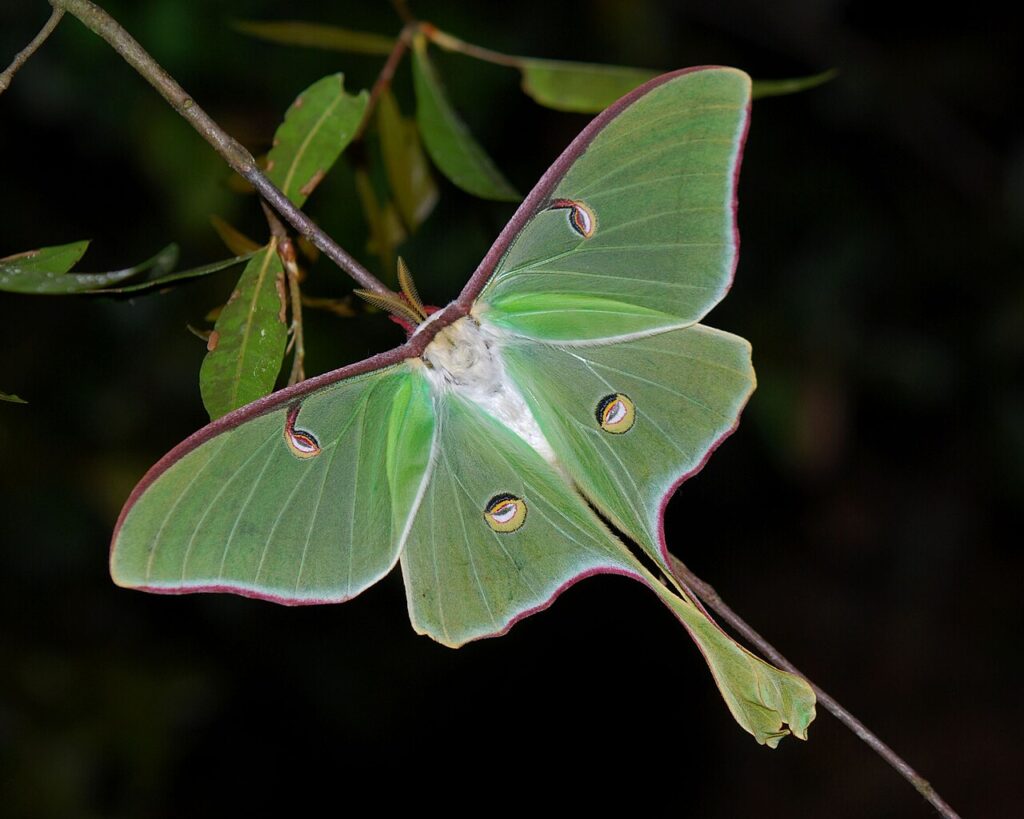
If your kids love moths, you can dive deeper and learn more about the many different types of moths. With more than 160,000 known species around the world, there’s a lot of fascinating moths to discover.
Solve a Moth Crossword & Word Search
A moth themed crossword puzzle and word search are perfect for National Moth Week! These printable activities are a great way to build vocabulary and reinforce learning about these incredible insects.
Grab my printable Moth Activity Pack for just $1 and enjoy a moth-themed glossary, crossword puzzle, word search, and coloring page (answer keys included!). Download it instantly, print as many copies as you need, and enjoy a fun, screen-free activity for National Moth Week!
![Moth Activity Pack [Printable] - Image 1](https://mamalibelula.com/wp-content/uploads/2026/07/1-300x300.jpg)
![Moth Activity Pack [Printable] - Image 2](https://mamalibelula.com/wp-content/uploads/2026/07/moth-activity-pack-300x300.jpg)
![Moth Activity Pack [Printable]](https://mamalibelula.com/wp-content/uploads/2026/07/1-600x600.jpg)
![Moth Activity Pack [Printable]](https://mamalibelula.com/wp-content/uploads/2026/07/moth-activity-pack-600x600.jpg)
Read a Kids’ Book About Moths
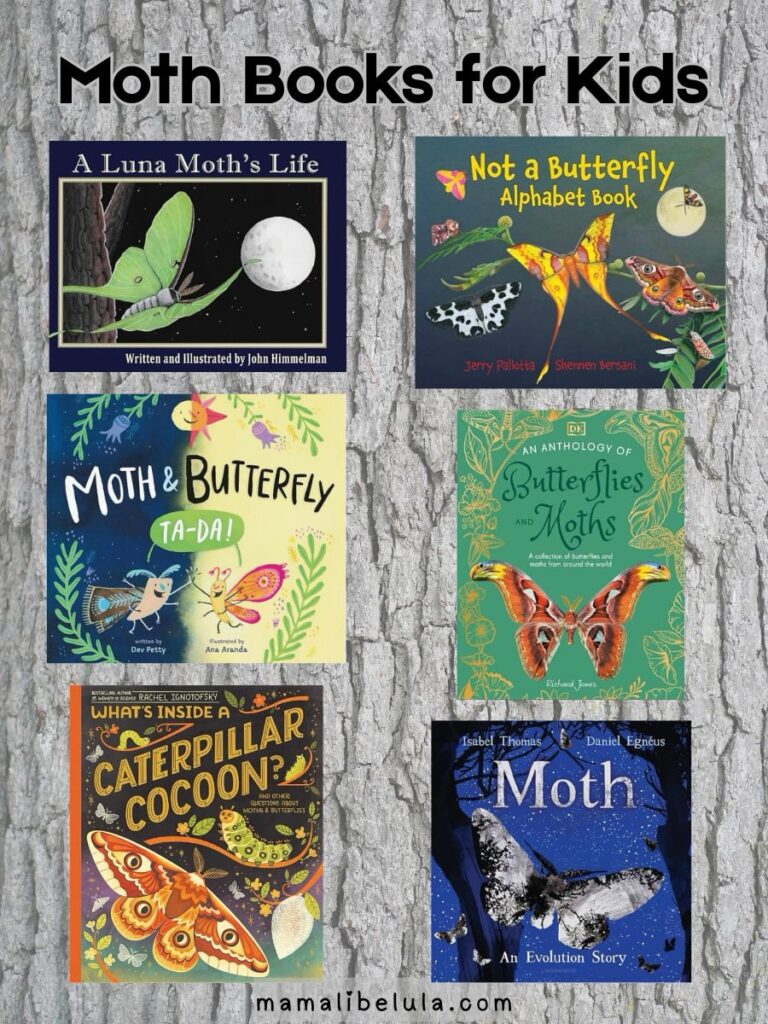
Reading a book about moths together can be a great way for you and your little one to learn more about these interesting insects. Here are a few you might enjoy.
- A Luna Moth’s Life by John Himmelman
- Not a Butterfly Alphabet Book by Jerry Pallotta
- Moth & Butterfly: Ta Da! by Dev Petty
- An Anthology of Butterflies and Moths by Richard Jones
- What’s Inside a Caterpillar Cocoon?: And Other Questions About Moths & Butterflies by Rachel Ignotofsky
- Moth: An Evolution Story by Isabel Thomas
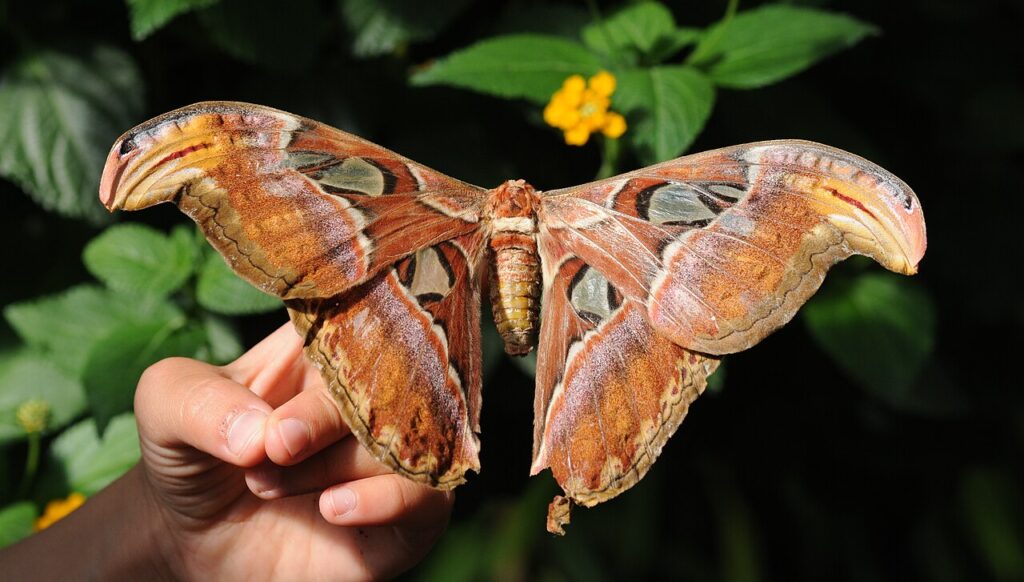
Celebrating Moth Week with Kids
However you choose to celebrate, National Moth Week is a wonderful opportunity to learn about moths with your kids. I hope these ideas inspire your family to gain a new appreciation for these beautiful and fascinating insects.