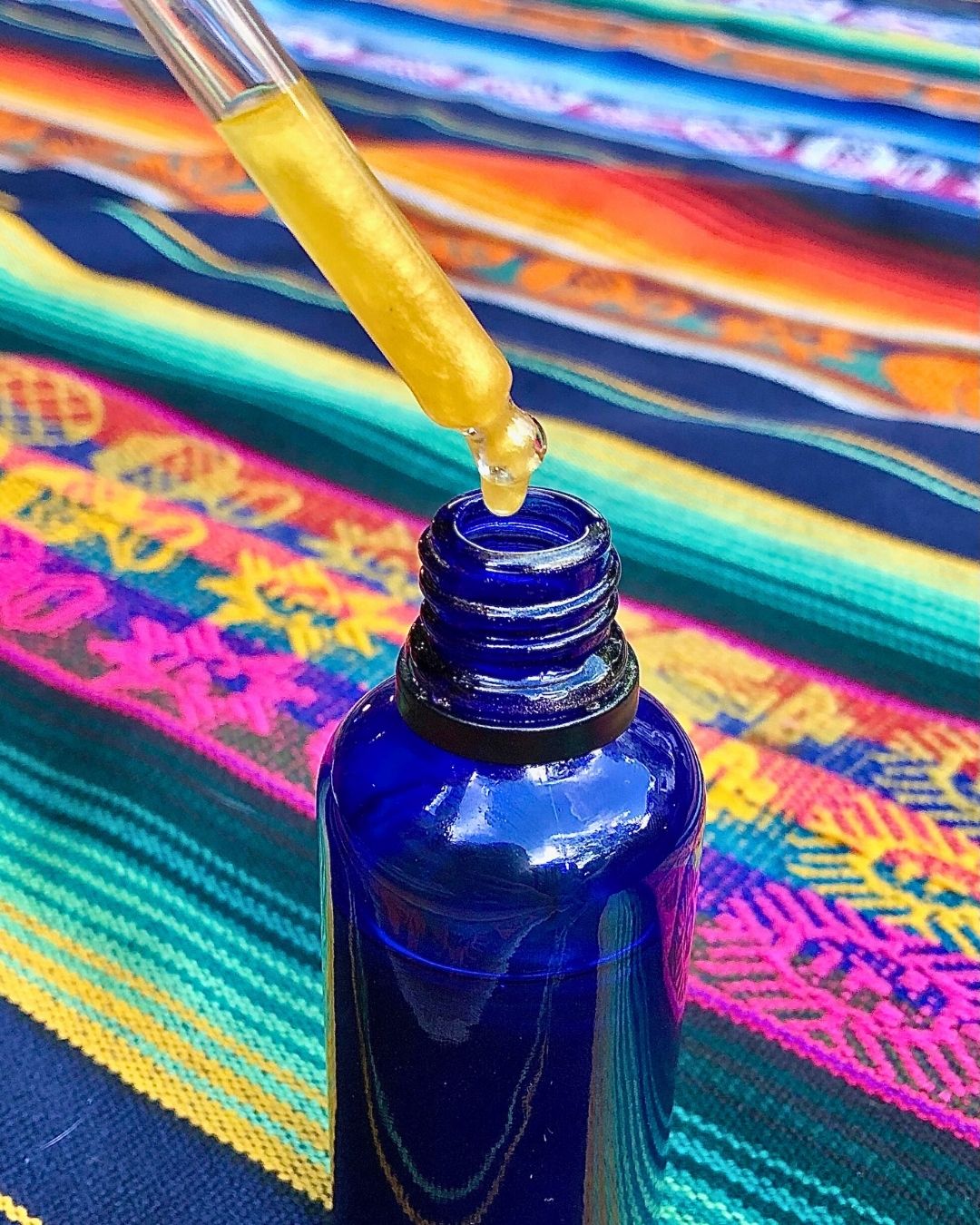
Summertime can be extra rough on our skin, as more time outdoors means increased exposure to sand, chlorine, salt water, wind, extra sun, environmental toxins, and other factors which can be dehydrating and damaging.
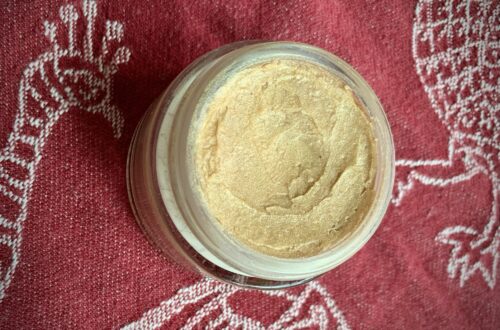
This rejuvenating serum blends nourishing oils and skin-loving herbs to hydrate and revitalize skin, helping boost its health and overall appearance. The addition of golden mica lends a hint of shimmer to brighten skin tone and create a sun-kissed glow.
Herbs for Healthy Summer Skin
Green tea (Camellia sinensis) is soothing, moisturizing and rich in antioxidants. When applied topically, it boosts the health of aging skin, prevents wrinkles by improving elasticity, and provides protection from solar UVB damage (OyetakinWhite et al., 2012).
Rose (Rosa spp.) is gently toning and has anti-inflammatory effects. It has also been shown to help protect skin from UV damage (Abidi et al., 2019).
Elderflowers (Sambucus nigra) have long been used in traditional skin care applications to soothe skin. Research has shown that they are rich in antioxidants that have anti-wrinkle effects, (Jung et al., 2024).
Botanical Oils for Healthy Summer Skin
Lavender and patchouli essential oils add a lovely floral, earthy scent to the serum. These oils are also said to help rejuvenate the skin, reduce inflammation, and prevent wrinkles.
A blend of castor, sunflower, jojoba, and olive oils moisturizes, nourishes, and improves the tone and elasticity of skin. Rosehip seed oil is an antioxidant rich addition that helps to repair and protect the skin from environmental damage.
To learn more about using herbs & botanical oils for summer skin care, check out this post.
How to Make an Herb Infused Oil
To make this lovely serum, you will first need to make two different herb infused oils. There are a few different methods for infusing herbal oils. Here are three different options:
The Folk Method
This traditional method requires minimal effort. Simply let herbs infuse in oil over time. It does take a bit of patience, though, as the process usually takes about 4 to 6 weeks.
How to Make an Herb Infused Oil Using the Folk Method
Fill a clean, dry jar half full with dried herb and then pour carrier oil over it (i.e. olive oil, sunflower oil, jojoba oil, etc.), making sure to cover the plant matter with the oil by at least an inch or so. Put the lid on the jar and shake the jar to ensure the oil has fully incorporated with the plant matter.
Stash the jar in a warm, dark spot for 4-6 weeks, shaking it every few days or so. When the oil has infused, strain the plant matter out using a fine cheesecloth. Re-jar your infused oil and be sure to label it.
Quick Method
Great when you’re short on time, this method uses gentle heat to speed up the infusion process. While it’s faster and still effective, the resulting oil may be slightly less potent than oils made using the Folk Method or the Alcohol Intermediary Method.
How to Make an Herb Infused Oil Using the Quick Method
Fill a dry, heat proof jar or heat-proof glass measuring cup about half full with herb of choice. Pour in the carrier oil (i.e. olive or sunflower oil), making sure the leaves are fully submerged and covered with at least an inch or so of oil.
Gently heat the herbs over very low heat (ideally 100–140° F) for 1 to 5 hours in a double boiler or crockpot.The oil has finished infusing when the color and smell of the herb has been imparted. At this point, turn off the heat and let the oil cool.
Strain the oil through a cheesecloth and it’s ready to use! Pour any excess infused oil into a glass jar and be sure to label it including the date the oil was made, type of herb used, and type of carrier oil used. For best shelf life, store in a cool, dry place out of direct sunlight.
Alcohol Intermediary Method
This method uses high-proof alcohol to jumpstart extraction before the herbs are combined with oil. It takes a little more hands-on effort but yields a potent, shelf-stable infused oil in just over a day.
How to Make an Herb Infused Oil Using the Alcohol Intermediary Method
Grind about 1 oz dried herb into a coarse powder (more surface area makes a stronger infusion). Moisten the powder with just enough 190-proof alcohol (like Everclear) to make it damp and crumbly. Start with a ½ oz and add more if needed.
Place parchment paper under the lid of a jar and cap tightly. Let the herb and alcohol mixture sit in the sealed jar for 24 hours. Then blend the herb/alcohol mix with your carrier oil (start with 6-8 oz and add more if needed to get a blendable texture).
Warm the mixture gently in a double boiler for a few hours to reduce alcohol content and boost extraction.
Strain thoroughly through cheesecloth or a coffee filter. Bottle in an amber jar, label, and store out of direct light.
Tip: Regardless of which oil infusion method you choose, always use dried or wilted herbs to reduce moisture, which causes oils to go rancid.
Making Sun Goddess Skin Serum
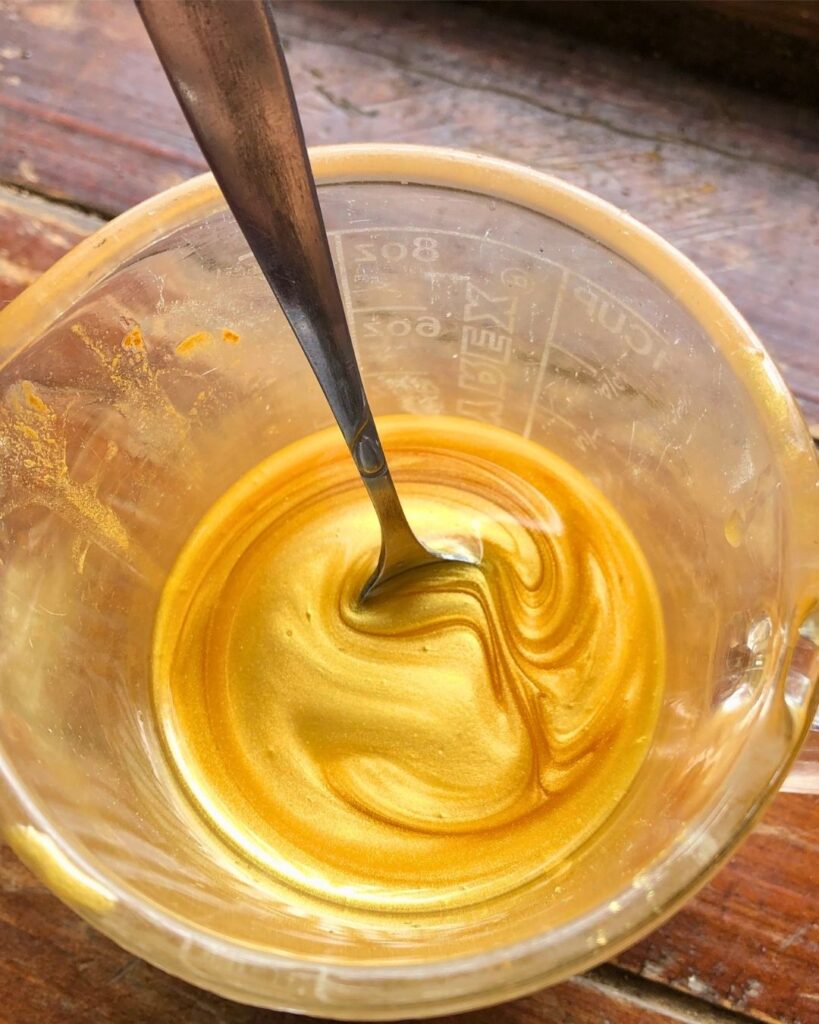
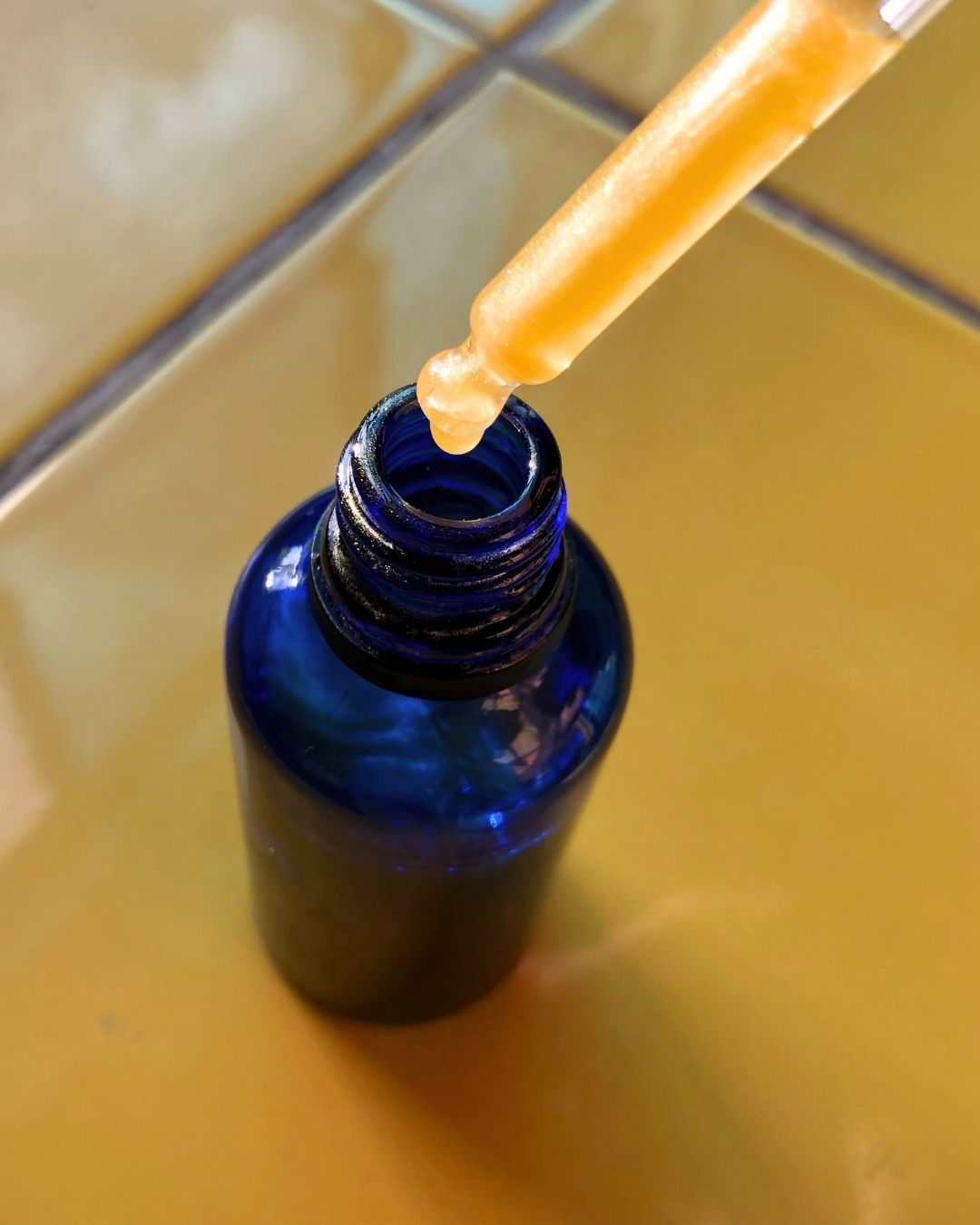
Once you have finished making your infused herbal oils, you are ready to make your serum. Combine all the oils and the mica in a large glass pitcher (ideally one with a pour spout) and stir well to combine. Then pour the finished serum into glass dropper bottles, and voilà!
To use: Shake well before each use. Gently massage a small amount into the skin.
Use this rejuvenating oil on your face and all over your body to nourish dry, sun & wind exposed skin after a day at the beach, hiking, or gardening.
Ingredients
Equipment
Method
- Use one of the methods described above to make the herb infused oils.
- Combine all the oils and the mica in a large glass pitcher and stir well to combine.
- Pour the finished serum into glass dropper bottles. Cap tightly.
Find more body care recipes that are perfect for the summer months in these posts:
- Herbal Sunscreen
- Blackberry Leaf Hair Rinse
- Rosemary Dry Shampoo
- Balancing Basil Facial Toner
- Nourishing Butterfly Pea Face Mask
References:
Abidi, S., Aamir, Z., Iqbal, A. & Mahmood, Zafar. (2019). Assessment of Rose Water and Evaluation of Antioxidant and Anti-inflammatory Properties of a Rose Water Based Cream Formulation. International Journal of Pharmaceutical and Clinical Research, 11(1): 43-48.
Jung, H.J., He, S.Y., & Lee, J.H. (2024). Anti-wrinkle and Antioxidant Effects of Elderflower ( Sambucus nigra) Water Extract as a Functional Ingredient of Cosmetics. Asian Journal of Beauty Cosmetology, 22(2): 175-183. https://doi.org/10.20402/ajbc.2023.0016
OyetakinWhite, P., Tribout, H. and Baron, E. (2012). Protective Mechanisms of Green Tea Polyphenols in Skin. Oxidative Medicine and Cellular Longevity. https://doi.org/10.1155/2012/560682


One comment on “Sun Goddess Skin Serum ”