Last Updated on December 31, 2025
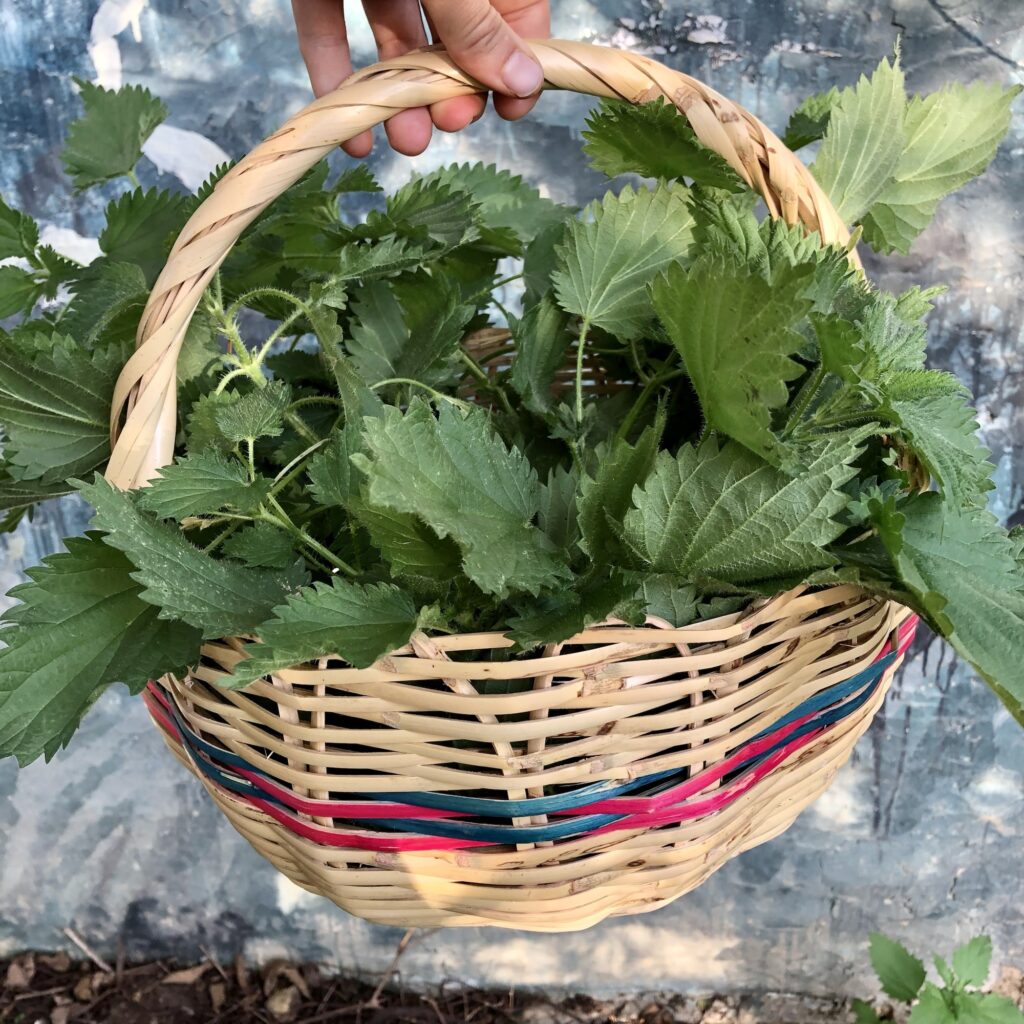
As an herbalist, gardener, and naturalist, there are many plants that are special to me. But, few are as near and dear to my heart as nettle (Urtica dioica).
I first began working with nettle in my early days as an herbalist, after reading about its many beneficial properties in Rosemary Gladstar’s books. That spring, I foraged nettle along the walking trails behind my apartment building. I then baked nettle biscuits, made spicy nettle tofu soup, and by the end of the season, like so many herbalists before me, I was completely in love.
Back in those days I was a vegetarian and was taking the birth control pill to try to help regulate my heavy periods. Read: I was incredibly undernourished. So it’s not a wonder that I fell head over heels for nutrient dense nettle.
It’s been over a decade since I spent those first tingly-fingered moments in the woods harvesting nettle for the first time, and since then my appreciation for this plant has only deepened. Even now, nettle is still one of the herbs I personally work with and recommend to others most often.
Health Benefits of Nettle
Nettle has been cherished for centuries as both food and medicine. Here are a few of its key benefits.
Rich in Nutrients that Promote Overall Wellness
Nettle is a rich source of iron, calcium, magnesium, manganese, vitamin K, carotenoids, and protein. Nutrient dense weedy plants like nettle are especially valuable today, as it’s become increasingly difficult to obtain adequate nutrition from modern foods.
Many cultivated fruits and vegetables now contain far fewer vitamins and minerals than they once did. This is due to the depletion of agricultural soils as well as generations of selective breeding produce for size and flavor rather than nutrient content. But, regularly consuming nettle can help fill nutrient gaps, making it an important plant for overall health and vitality.
Ally for Women’s Health
Nettle is especially supportive for women in their childbearing years, when menstruation, pregnancy, childbirth, and breastfeeding can deplete nutrients and place significant demands on the body. Regularly sipping nettle infusions helps replenish vital minerals, supporting strength, energy, and overall wellness during these physically and emotionally demanding times.
Nettle helps to replenish iron lost during menstruation. This is especially helpful in pregnancy or for those with heavy menstrual cycles. The minerals in nettle may also ease muscle cramps, including both menstrual and leg cramps. It’s abundant nutrients also support strong bones, teeth, hair, and nails.
May Ease Seasonal Allergy Symptoms
Beyond its nutritional benefits, nettle has a long history of supporting health in many other ways. Herbalists value nettle for its ability to help moderate seasonal allergies. Herbalist, Rosalee la Forêt states that “[using] stinging nettle nourishing infusions (1 ounce of nettle leaf by weight, infused in 32 ounces of just-boiled water for 4-8 hours) daily in the months leading up to allergy season often eliminates or strongly decreases allergy symptoms.”
Supports the Kidneys and Urinary System
Nettle also acts as a gentle diuretic, helping the body release excess fluids and promoting healthy kidney and bladder function. This action can be especially helpful for people who tend to retain water.
Regularly sipping nettle infusions can help tone and strengthen the urinary system over time. This may help to reduce the likelihood of urinary tract infections for individuals who are prone to developing them.
Nourishing Herbal Infusions
In addition to simply adding it to food, another way to work with nettle is as a nourishing herbal infusion. I first learned this approach from herbalist Susun Weed, who encourages drinking these herbal brews daily to support overall health. She recommends preparing single-herb infusions of nettle, oatstraw, red clover, or comfrey leaf in the evening, letting them steep overnight, and then sipping them throughout the next day.
Unlike a simple cup of tea, a nourishing infusion is made with a larger amount of herb and is brewed for a longer time, often overnight, to make a beverage that is particularly rich in protein, vitamins, minerals, and other essential micronutrients. Drinking these herbal drinks is a great way to get extra nutrients and stay hydrated.
How to Make a Nourishing Nettle Infusion
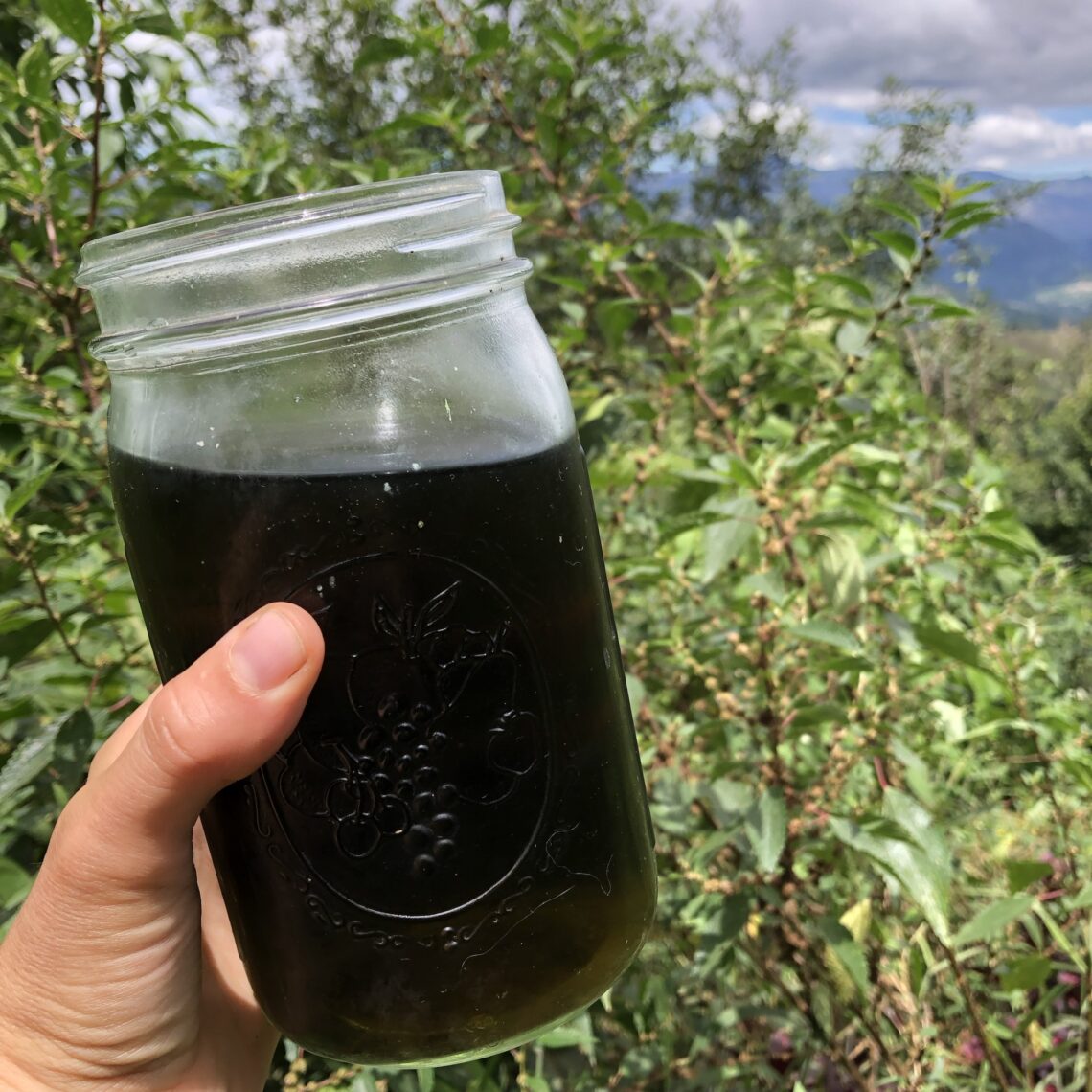
Making a nourishing herbal infusion is very simple, but it does require a little more patience than a regular cup of tea. I like to prepare my nourishing herbal infusion before going to bed so that it’s ready to drink when I get up in the morning.
To make a nourishing nettle infusion, you will need:
- 1 oz dried nettle leaf, by weight (about a cup by volume)
- About a quart of boiling water
- Quart jar with a lid
Directions:
- Prepare the Herbs – Weigh the dried nettle leaves, and add them to a quart-sized jar.
- Boil your water – Bring water to a full boil.
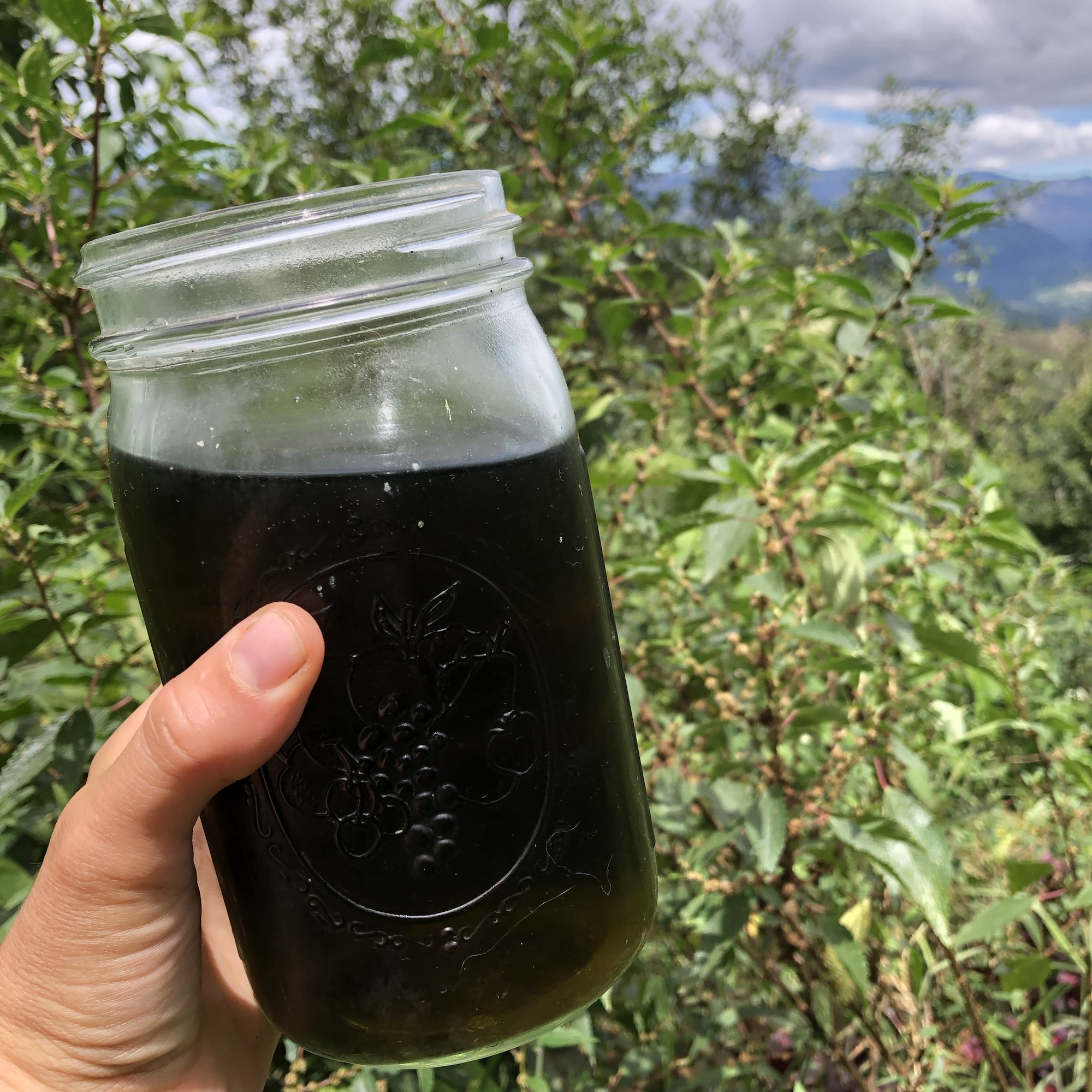
- Steep overnight – Pour the boiling water over the herbs in a jar, cover tightly, and let it sit for 4–10 hours, or overnight.
- Strain – Strain out the plant material using a strainer or cheesecloth, squeezing gently to extract all the liquid.
- Enjoy! – Sip your nourishing infusion throughout the day. I like to serve it over ice on hot days, as it makes an especially refreshing iced drink.
Tip: Keep any leftover infusion in the fridge and use within 36 hours. If you have more infusion than you can drink before it spoils, you can use it as a nourishing hair rinse.
Ingredients
Equipment
Method
- Weigh the dried nettle leaves, and add them to a heat-proof quart-sized jar.
- Bring water to a full boil. Pour the boiling water over the herbs in a jar, cover tightly, and let it sit for 4–10 hours, or overnight.
- Strain out the plant material using a strainer or cheesecloth, squeezing gently to extract all the liquid.
- Sip your nourishing infusion throughout the day.
Other Ways to Work with Nettle
Nettle is wonderfully versatile. In addition to being enjoyed in nourishing herbal infusions. As I previously mentioned, it is also a wonderful culinary herb. Young nettle leaves can be prepared much like spinach. Though they should be cooked or dried before eating to neutralize their sting.
There are lots of delicious ways to prepare nettle. Sauté it with garlic and olive oil, stir it into soups or stews, or add it to pizza, quesadillas, or quiche. It’s also are a great addition to baked goods like biscuits, muffins, or quick breads.
Here are a few of my favorite nettle recipes & remedies to get you started:



2 Comments on “Nourishing Nettle Infusion”