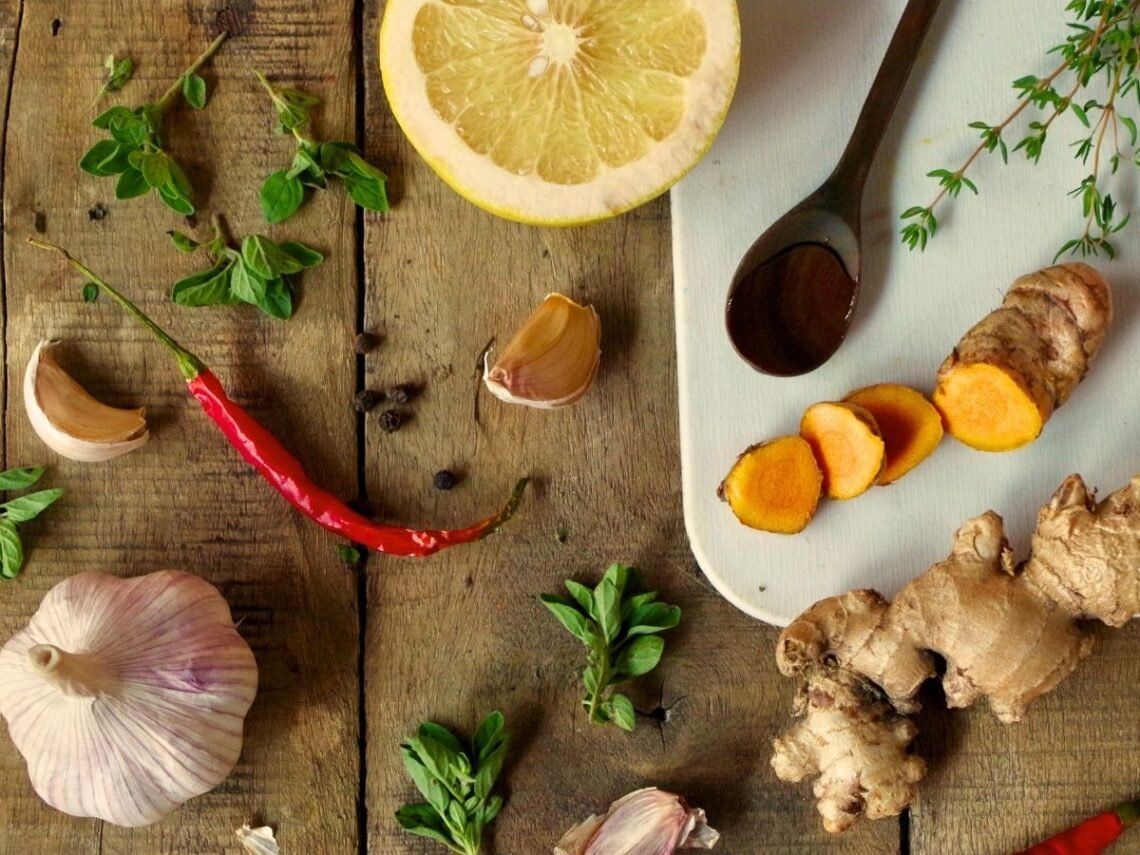
As the days grow shorter and cooler, herbs can help ease the transition into autumn. These herbal allies can support digestion, circulation, and respiratory health. Used in teas, tonics, infusions, and other seasonal remedies, they help to give both your body and spirit a boost as the seasons change.
Below you’ll find 15 herbs for the fall apothecary, including both familiar culinary herbs and traditional medicinal herbs, as well as a few wild plants you might even find growing in your own backyard.
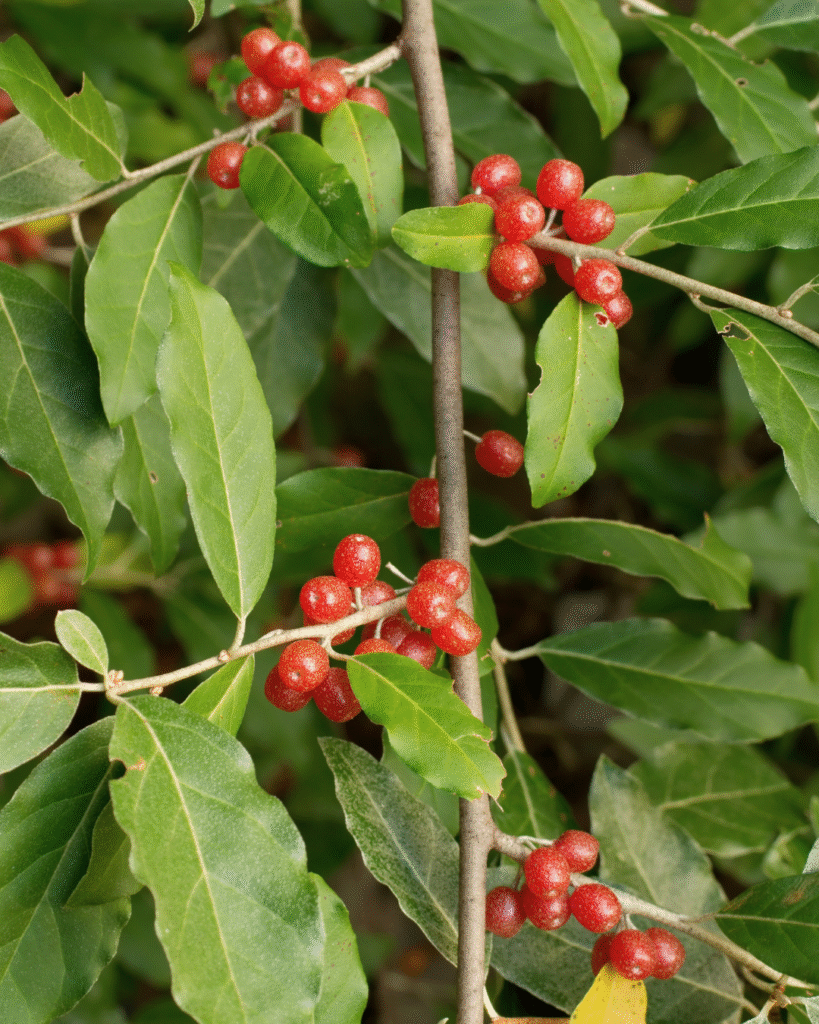
Autumn Olive (Elaeagnus umbellata)
Considered an invasive plant in many regions, autumn olive is abundant and easy to forage. The berries of autumn olive ripen in late summer through fall and are packed with vitamins, minerals, and antioxidants. Rich in lycopene, they support immune function, wound healing, and overall resilience. Studies have demonstrated anticancer, antiviral, antifungal, and gastroprotective properties. The leaves are anti-inflammatory, antioxidant, and cardioprotective, while the bark offers sedative, antimicrobial, and anticancer benefits (Bhat et al., 2023; Elaeagnus umbellata, 2024; Park et al., 2024).
Cardamom (Elettaria cardamomum)
Aromatic and flavorful, cardamom is a delicious culinary spice that also promotes digestion and relieves stomach issues. It has long been used to support oral health. Its antibacterial properties can freshen breath and could even prevent cavities (Aneja & Joshi, 2009). Some studies suggest it may be helpful for easing anxiety (Masoumi-Ardakani et al., 2017). Cardamom is also a tasty addition to drinks, syrups, baked goods, savory dishes, and more.
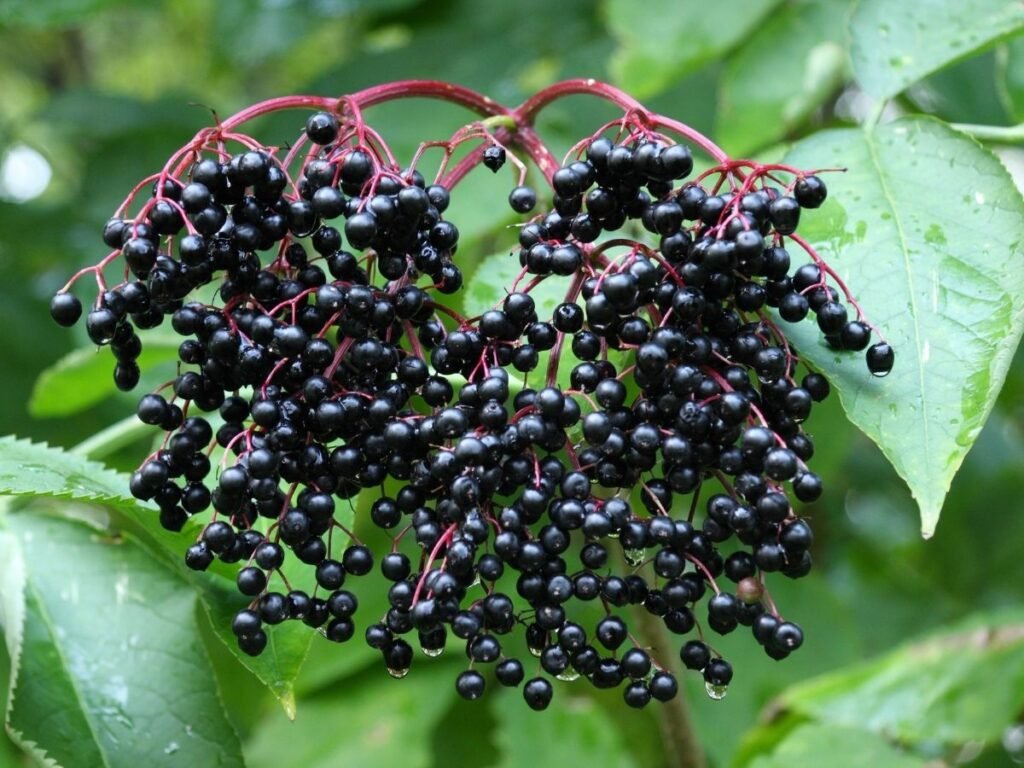
Elderberry (Sambucus nigra & S. canadensis)
Elder has long been a plant of both lore and medicine. Across Europe, elder held a powerful reputation as both a healer and a protective plant ally. Traditionally, it was believed to ward off evil influences, witches, spirits, and even death, and was considered a symbol of good luck. In England, twigs were fashioned into charms to protect against rheumatism.
Today, elderberries are cherished by herbalists for their immune boosting properties. “When you feel that first tingle in your throat or a telltale sign of fatigue or chills, taking elderberry frequently can often stop the illness from progressing. It’s also taken preventively to ward off illness and can help shorten the duration of an illness,” says herbalist, Rosalee de la Forêt (de la Forêt, 2022).
Studies have shown that taking elderberry helped to improve recovery from the flu and reduce symptoms, likely due to its potent antiviral and anti-inflammatory effects. Elderberries are also rich in antioxidants, helping protect the body against oxidative stress, which can contribute to numerous health issues (Ulbricht et al., 2014).
Beyond its medicinal uses, elderberry also can be used in a variety of culinary recipes. The berries are a lovely addition to syrups, jams, cordials, and even baked goods, offering a rich, tart flavor. Enjoyed this way, elderberries becomes both food and medicine, nourishing body and spirit alike.
Elderberries can be harvested late summer through early fall, and are perfect for making into tinctures, oxymels, syrups, and more to help promote wellness as the seasons shift. These traditional preparations not only preserve the harvest, but also can be used to support vitality during the colder months ahead.
Note: The bark, leaves, seeds, and raw or unripe elderberries contain the cyanogenic glycoside sambunigrin, which can be toxic if consumed. The ripe berries have very low levels of harmful compounds, but it is generally recommended to heat them for 5–10 minutes before consuming. Dried elderberries are also safe when properly prepared, and commercial juices have been shown to contain no detectable cyanogenic compounds (Galal et al., 2023).
Check out my Elderberry Barbecue Sauce recipe for a delicious way to work with these immune boosting fruits.
Fennel (Foeniculum vulgare)
A popular culinary herb, fennel’s fronds, bulb, and seeds can be used in a variety of dishes. The seeds, collected in the fall, are especially flavorful and can be used baked goods, side dishes, salads, pastas, tea blends, and more. Fennel also has many medicinal uses. Its essential oil shows antibiotic and antifungal effects. As a carminative herb it helps ease digestive upset and flatulence. Rich in antioxidants, fennel also has anti-inflammatory actions. Traditionally, it has been used to boost lactation, promote menstruation, and help facilitate birth (Rather et al., 2016). Research even suggests fennel may be as effective as common pain medications for easing menstrual cramps (Lee et al., 2020).
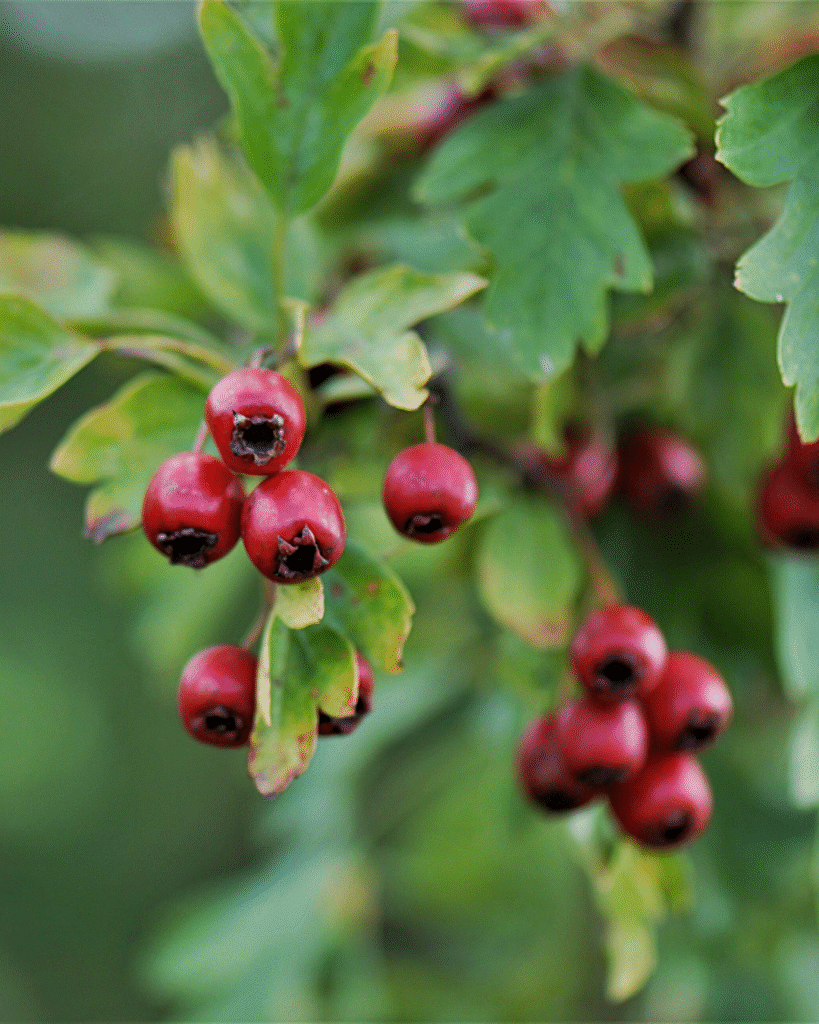
Hawthorn (Crataegus spp.)
Hawthorn has a long history as both food and medicine. In European tradition, it was considered a sacred tree of vitality and protection, often associated with love, fertility, and renewal. Its flowers and berries were used in folk remedies for the heart, and hawthorn hedges were thought to keep away misfortune.
Today, hawthorn is valued for its ability to support the heart and circulation. Rich in antioxidants and anti-inflammatory compounds, it has been shown to help lower blood lipids, ease oxidative stress, and improve cardiovascular health (Li et al., 2021). Research has demonstrated that hawthorn can even improve outcomes for those with heart failure (Tassell et al., 2010). Hawthorn is also known as an ally for the emotional heart. Herbalists often recommend it for grief, heartbreak, and stress.
Hawthorn berries, flowers, and leaves can all be used in herbal preparations. The flowers and leaves can be brewed into a nourishing tea or made into tinctures. The tart-sweet berries can be used to make syrups, oxymels, vinegars, and teas. Harvested in the fall, the berries in particular are a wonderful addition to the autumn apothecary, helping to nourish and protect the heart, both physically and emotionally, as the days grow darker and colder.
For a few ideas of ways to work with hawthorn, check out these posts:
Mullein (Verbascum thapsus)
Mullein is a lovely ally for seasonal coughs and colds. Traditionally used to support the respiratory system, it is an expectorant that helps to bring up stuck mucus. Its mucilaginous properties also help to soothe irritated mucus membranes. Additionally, it has been shown to have antimicrobial properties (Turker & Camper, 2002). Mullein flower infused oil is a popular traditional remedy for ear infections. Mullein root, which can be harvested in the fall, is used both topically and internally for treating pain. Herbalist, jim mcdonald, uses it for nerve pain and spinal injuries, in particular (mcdonald, n.d.). Check out my post, Mullein & Ginger Massage Oil, to learn how to make your own pain relieving preparation.
Nettle Seed (Urtica dioica)
Nettle seeds ripen from late summer into early fall, making them a nutrient-dense addition to your autumn apothecary. Rich in minerals and phytonutrients, herbalists traditionally use nettle seeds as a tonic for overall vitality, supporting energy levels and adrenal health (Joshi et al., 2023). Herbalist, David Winston, also praises their trophorestorative properties, citing several cases where he has used nettle seed for serious kidney issues with excellent results (de la Forêt, 2023).
Oregano (Origanum vulgare)
Oregano has potent antimicrobial action and supports healthy immune function while helping to regulate inflammation. It’s rich in antioxidants and has free radical scavenging properties (Singletary, 2010). Traditionally, oregano has been used to help soothe sore throats, clear sinus congestion, and support the body during colds and flu. Oregano can also support digestion by easing tension in the gut and reducing bloating or gas.
Safety Note: Oregano essential oil and “oil of oregano” supplements are highly concentrated and should be used with caution.
Peppercorns (Piper nigrum)
Dubbed the “king of spices,” black pepper is culinary staple that is used to enhance a variety of dishes. It also has many health boosting properties and has long been utilized in Ayurvedic and Traditional Chinese Medicine traditions. Research has demonstrated black pepper’s ability to promote healthy digestion. Its stimulating properties boost gut motility and the secretion of digestive enzymes, helping to improve the body’s ability to absorb nutrients from food. Black pepper has a relaxing effect on the smooth muscles of the digestive system, which can ease cramping and stomach pain. Black pepper’s anti-inflammatory and analgesic properties also make it a valuable ally for helping to ease pain (Mahboubi, 2021).
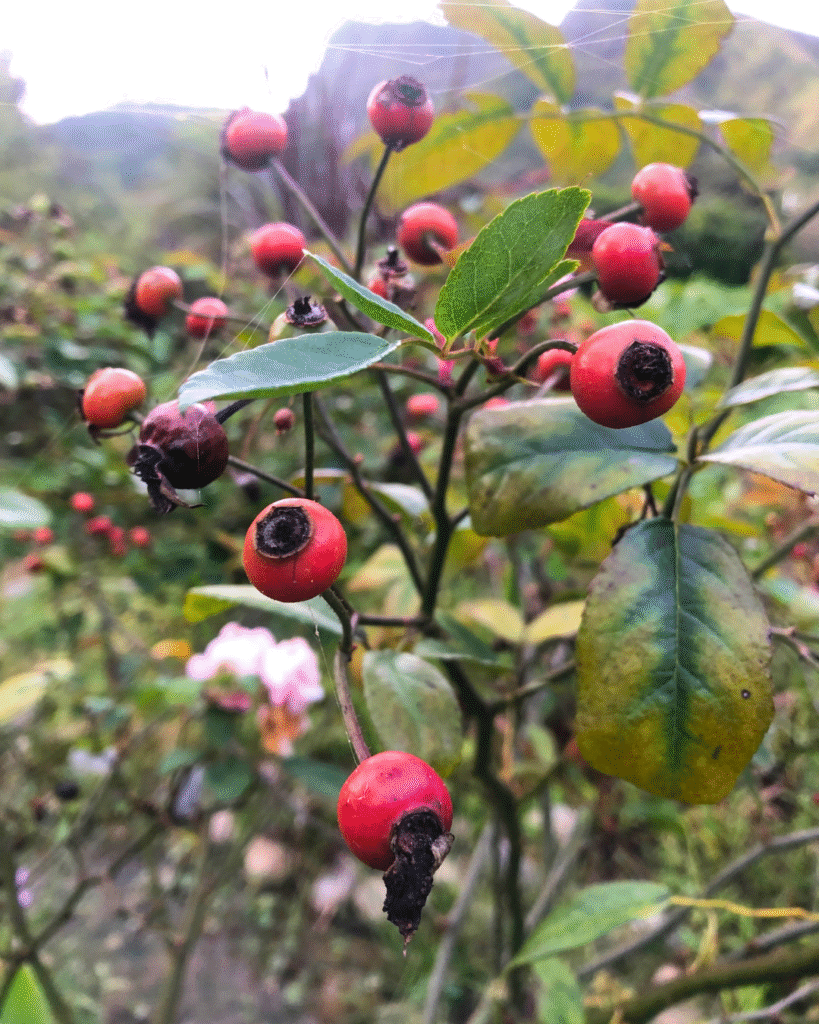
Rosehips (Rosa canina & R. rugosa)
Rosehips have been cherished for centuries as both food and medicine. In folklore, they were seen as symbols of good luck, health, prosperity, and fertility. Rosemary were sometimes carried as amulets and believed to protect mothers and children during childbirth (Gilbert, 2023).
Nutrient dense rosehips are especially rich in vitamin C, and are a source vitamins E and B. They also contain antioxidants and anti-inflammatory compounds that support the immune system and overall wellness (Mármol et al., 2017). Rosehip seed oil is beloved for skincare, known to soothe and nourish the skin. Check out my post, Rosehip Skin Serum, to learn more about working with rosehips topically.
Research has also explored utilizing rosehips for inflammatory conditions like arthritis. Rosehips have been shown to reduce joint pain and improve mobility, without the side effects often seen in common pain medications (Cohen, 2012).
Rosehips also shine in various culinary preparations, including jellies, syrups, wines, herbal teas, and even baked into pies, bringing both flavor and nutrition to seasonal recipes (Patel, 2016). When preparing rosehips for food, it’s important to remove the seeds and the fine, irritating hairs inside the fruit. For tea, however, you can leave the hips whole and strain after steeping.
Rosemary (Salvia rosmarinus)
Rosemary is a lovely culinary herb that also has a rich history of use in folk medicine, especially for colds & flus and muscle & joint pain. Research has demonstrated antibacterial, anti-inflammatory, and antioxidant properties (Andrade et al., 2018). Studies have also suggested potential benefits for liver health, as well as promising applications in Alzheimer’s and cancer research (Veenstra & Johnson, 2021). In addition to its numerous health benefits, rosemary can be added to roasted meats, vegetables, breads, and savory dishes.
Sumac (Rhus spp.)
Smooth sumac (Rhus glabra), Staghorn sumac (Rhus typhina), and Fragrant sumac (Rhus aromatica) have a long history of use by Native Americans. The leaves were mixed with tobacco and smoked by various plains tribes. The berries, roots, inner bark, and leaves of smooth and staghorn sumacs have been used to make different colored dyes.
These sumac species also had applications in traditional medicine. Smooth sumac was used by various Native American tribes for nausea, diarrhea, hemorrhages, blisters, colds, rashes, asthma, and sore throat. Staghorn sumac was utilized similarly. The Natchez used fragrant sumac root to treat boils and the Ojibwa drank a decoction of its roots for diarrhea.
The ripe, red berries of these three North American species can be eaten fresh or dried. They are acidic and tart and are commonly used to make a tea, often called “sumac-ade.” Like their cousin, R. coriaria, which is commonly used in Mediterranean and Middle Eastern cuisines, they can be used as a spice and add a unique flavor to a variety of dishes.
For more inspiration for working with sumac, check out these posts:
Thyme (Thymus vulgaris)
Thyme is a perfect ally during the cooler months when illness is more common. The British Herbal Pharmacopoeia highlights its use for bronchitis, whooping cough, sore throats, and other respiratory complaints. Rich in vitamin C, vitamin A, and other antioxidants, and with strong antibacterial properties, thyme helps the body resist seasonal infections and protect against oxidative stress (Hammoudi Halat et al., 2022). Beyond these benefits, thyme’s earthy, distinct flavor makes it a delicious addition to soups, roasted vegetables, stuffing, and hearty fall stews.
Turmeric (Curcuma longa)
Turmeric is rich in antioxidants and supports healthy inflammation levels. It benefits cognitive, cardiovascular, and musculoskeletal health, while also promoting liver function and digestion. Research suggests it may help prevent conditions such as diabetes and certain types of cancer. Its earthy flavor makes it a lovely addition to fall tonics, soups, and other seasonal recipes. Note: when formulating with turmeric, adding black pepper enhances the absorption of its active compounds by up to 2,000%.
If you’re looking for ways to add more turmeric to your diet, try Turmeric Sourdough Crackers or Turmeric Chocolates!
References
Andrade, J. M., Faustino, C., Garcia, C., Ladeiras, D., Reis, C. P., & Rijo, P. (2018). Rosmarinus officinalisL.: an update review of its phytochemistry and biological activity. Future Science OA, 4(4). https://doi.org/10.4155/fsoa-2017-0124
Aneja, K & Joshi, Radhika. (2009). Antimicrobial Activity of Amomum subulatum and Elettaria cardamomum Against Dental Caries Causing Microorganisms. Ethnobotanical Leaflets. 13.
Bhat, M. A., Mishra, A. K., Kamal, M. A., Rahman, S., & Jan, A. T. (2023). Elaeagnus umbellata: A miraculous shrub with potent health-promoting benefits from Northwest Himalaya. Saudi Journal of Biological Sciences, 30(6), 103662. https://doi.org/10.1016/j.sjbs.2023.103662
de la Forêt, R. (2017) Alchemy of Herbs. Hay House, Inc.
de la Forêt, R. (2022). Benefits of Elderberry: Elderflower vs. Elderberry. Herbs with Rosalee.https://www.herbalremediesadvice.org/benefits-of-elderberry.html
de la Forêt, R. (Host). (2023, August 2). Stinging nettle with David Winston + green powder spice blend (Season 7, Episode 6) [Audio podcast episode]. In Herbs with Rosalee. Herbs with Rosalee.https://www.herbalremediesadvice.org/nettle-benefits.html
Elaeagnus umbellata. (2024). Plants for a Future. https://pfaf.org/user/Plant.aspx?LatinName=Elaeagnus+umbellata
Foods indigenous to the Western Hemisphere. American Indian Health – Health. (n.d.). https://aihd.ku.edu/foods/smooth_sumac.html
Galal, A., Avula, B., Katragunta, K., Ali, Z., Chittiboyina, A., & Khan, I. (2023). Elderberry extracts: Characterization of the polyphenolic chemical composition, quality consistency, safety, adulteration, and attenuation of oxidative stress- and inflammation-induced health disorders. Molecules, 28(7), 3148. https://doi.org/10.3390/molecules28073148
Gilbert, A. (2023, October). The enchantment of rosehips. Botanica Mystica. https://botanicamystica.org/blog/enchantment-of-rosehips
González-Minero, Francisco José, et al. “Rosmarinus Officinalis L. (Rosemary): An Ancient Plant with Uses in Personal Healthcare and Cosmetics.” Cosmetics, vol. 7, no. 4, 2020, p. 77., https://doi.org/10.3390/cosmetics7040077.
Hammoudi Halat, D., Krayem, M., Khaled, S., & Younes, S. (2022). A Focused Insight into Thyme: Biological, Chemical, and Therapeutic Properties of an Indigenous Mediterranean Herb. Nutrients, 14(10), 2104. https://doi.org/10.3390/nu14102104
Joshi, Neha & Joshi, Amit & Priyanka, Joshi & Shikha, Pawar. (2023). Pharmaceutical Properties and Medicinal Uses of Stinging Nettle Plant -A Review. 22. 1953-1962.
Lee, H. W., Ang, L., Lee, M. S., Alimoradi, Z., & Kim, E. (2020). Fennel for Reducing Pain in Primary Dysmenorrhea: A Systematic Review and Meta-Analysis of Randomized Controlled Trials. Nutrients, 12(11), 3438. https://doi.org/10.3390/nu12113438
Li, T., Fu, S., Huang, X., Zhang, X., Cui, Y., Zhang, Z., Ma, Y., Zhang, X., Yu, Q., Yang, S., & Li, S. (2022). Biological properties and potential application of hawthorn and its major functional components: A review. Journal of Functional Foods, 90, 104988. https://doi.org/10.1016/j.jff.2022.104988
Mahboubi, M. (2021). Pepper as Analgesic and Anti-inflammatory Alternative and Bio-enhancer Agent for Treatment of Pain. Proceedings of the National Academy of Sciences, India Section B: Biological Sciences, 91(3), 487–493. https://doi.org/10.1007/s40011-021-01243-0
Mármol, I., Sánchez-de-Diego, C., Jiménez-Moreno, N., Ancín-Azpilicueta, C., & Rodríguez-Yoldi, M. J. (2017). Therapeutic Applications of Rose Hips from Different Rosa Species. International journal of molecular sciences, 18(6), 1137. https://doi.org/10.3390/ijms18061137
Masoumi-Ardakani, Y., Mahmoudvand, H., Mirzaei, A., Esmaeilpour, K., Ghazvini, H., Khalifeh, S., & Sepehri, G. (2017). The effect of Elettaria cardamomum extract on anxiety-like behavior in a rat model of post-traumatic stress disorder. Biomedicine & pharmacotherapy = Biomedecine & pharmacotherapie, 87, 489–495. https://doi.org/10.1016/j.biopha.2016.12.116
mcdonald, j. Mullein (Verbascum thapsus; V. olympicum). HerbCraft. https://www.herbcraft.org/plants/mullein
Özkalp, B., Sevgi, F., Özcan, M. and Özcan, M.M. (2010). The antibacterial activity of essential oil of oregano (Origanum vulgare L.) Journal of Food, Agriculture & Environment, 8(2): 272-274. http://probotanic.com/pdf_istrazivanja/OriganoPDF/Antibakterijska%20aktivnost%20esencijalnog%20ulja%20divljeg%20origana.pdf
Park, S., Jung, C., Lee, D., Yu, Y., Ku, T., Hong, M., Lim, T., Paeng, K., Cho, H., Cho, I., & Ku, S. (2024). Elaeagnus umbellata fruit extract protects skin from ultraviolet-mediated photoaging in hairless mice. Antioxidants, 13(2), 195. https://doi.org/10.3390/antiox13020195
Patel, S. (2017). Rose hip as an underutilized functional food: Evidence-based review. Trends in Food Science & Technology, 63, 29–38. https://doi.org/10.1016/j.tifs.2017.03.001
Rather, M. A., Dar, B. A., Sofi, S. N., Bhat, B. A., & Qurishi, M. A. (2016). Foeniculum vulgare: A comprehensive review of its traditional use, phytochemistry, pharmacology, and safety. Arabian Journal of Chemistry, 9(Suppl. 2), S1574–S1583. https://doi.org/10.1016/j.arabjc.2012.04.011
Singletary, K. (2010) Oregano: Overview of the Literature on Health Benefits. Nutrition Today, 45(3):129-138. http://dx.doi.org/10.1097/NT.0b013e3181dec789
Tassell, M. C., Kingston, R., Gilroy, D., Lehane, M., & Furey, A. (2010). Hawthorn (Crataegus spp.) in the treatment of cardiovascular disease. Pharmacognosy reviews, 4(7), 32–41. https://doi.org/10.4103/0973-7847.65324
Turker, A. U., & Camper, N. D. (2002). Biological activity of common mullein, a medicinal plant. Journal of Ethnopharmacology, 82(2–3), 117–125. https://doi.org/10.1016/S0378-8741(02)00186-1
Ulbricht, C., Basch, E., Cheung, L., Goldberg, H., Hammerness, P., Isaac, R., Khalsa, K., Romm, A., Mills, E., Rychlik, I., Varghese, M., Weissner, W., Windsor, R., & Wortley, J. (2014). An evidence-based systematic review of elderberry and elderflower (Sambucus nigra) by the Natural Standard Research Collaboration. Journal of Dietary Supplements, 11(1), 80–120. https://doi.org/10.3109/19390211.2013.859852
Veenstra, J. P., & Johnson, J. J. (2021). Rosemary (Salvia rosmarinus): Health-promoting benefits and food preservative properties. International journal of nutrition, 6(4), 1–10.
Winther, K., Warholm, L., Campbell-Tofte, J., and Marstrand, K. (2018). Effect of Rosa canina L. (Rose-hip) on cold during winter season in a middle-class population: A randomized, double-blinded, placebo-controlled trial. Journal of Herbal Medicine, 13, 34-41. https://doi.org/10.1016/j.hermed.2018.04.003.