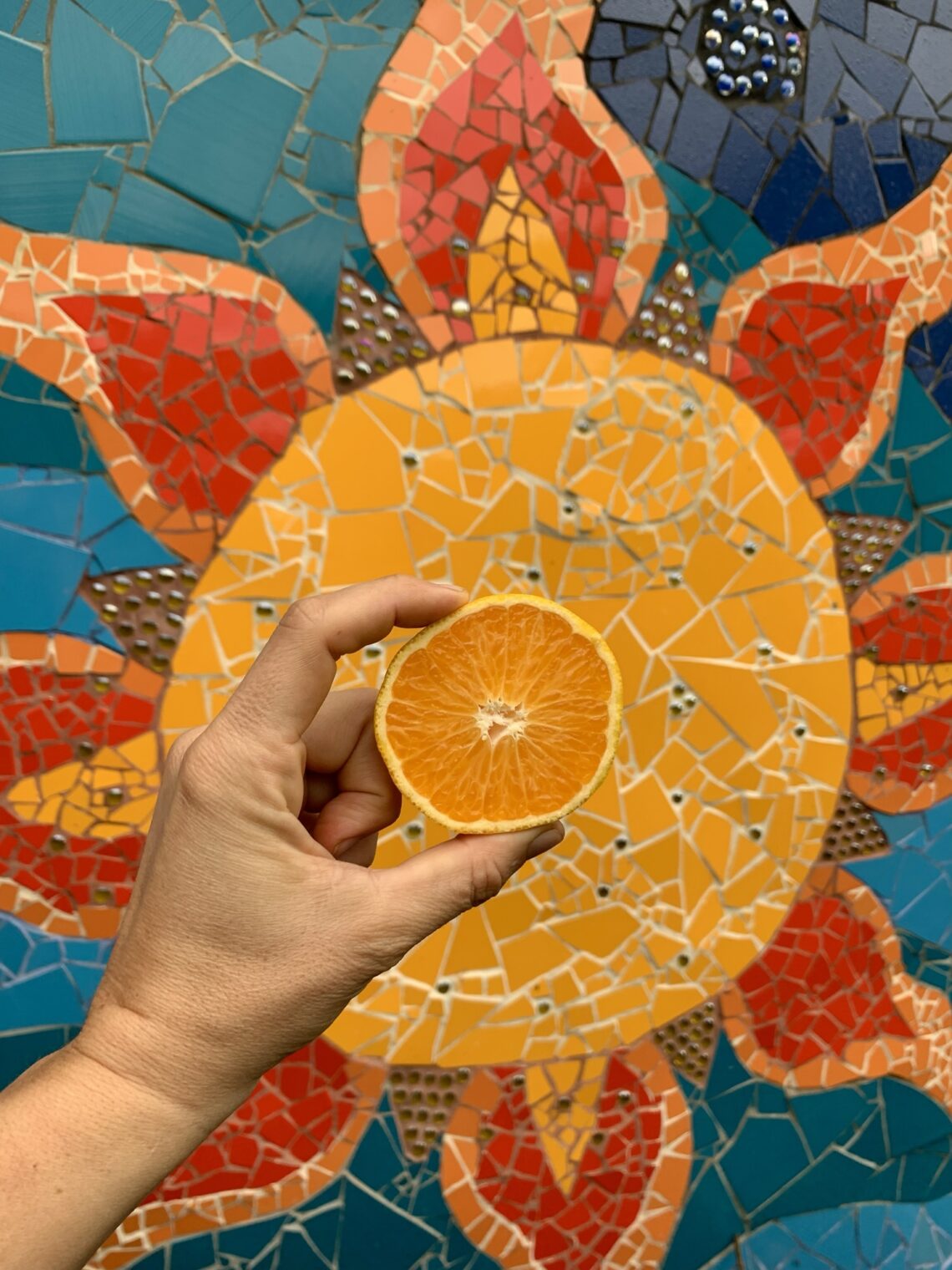
We all know that wearing protective clothing and slathering ourselves with sunscreen can help to prevent damage from sun exposure. But, any seasoned parent also knows that sometimes this is easier said than done.
When your toddler refuses to wear his sun hat or you forget to reapply the sunscreen after your kids have been swimming for hours, you may find yourself wishing there was another way to help cut down on how much damage the sun does to their skin.
By adding foods rich in certain protective constituents to your diet, you can help to improve you and your children’s resilience to UV exposure. Eating this way may help to reduce sunburns and skin damage that causes aging (and may even lead to cancer), helping to keep skin healthy and vibrant.
Note: The point of this post is obviously not to say that you won’t need to wear sunscreen or UPF clothing if you eat these foods, but is simply meant to inform you about a way you can support you skin’s resilience against the damaging effects of UV exposure.
Foods with Photoprotective Properties
The following are a few foods that have demonstrated photoprotective effects.
Tomatoes & Watermelon
Tomatoes and watermelon are both rich in lycopene, an antioxidant that has been shown to protect the skin from sun damage. One study found that participants who consumed small amounts of tomato paste daily for 10 weeks were much less likely to experience a sunburn after being exposed to UV light (Stahl, et al.).
Lycopene also has been shown to help prevent premature aging of the skin, and may help to improve its overall appearance and prevent wrinkles (Rescio, et al.). Guava, papaya, and pink grapefruit also contain lycopene in lesser amounts.
Sweet Potatoes, Carrots & Winter Squash
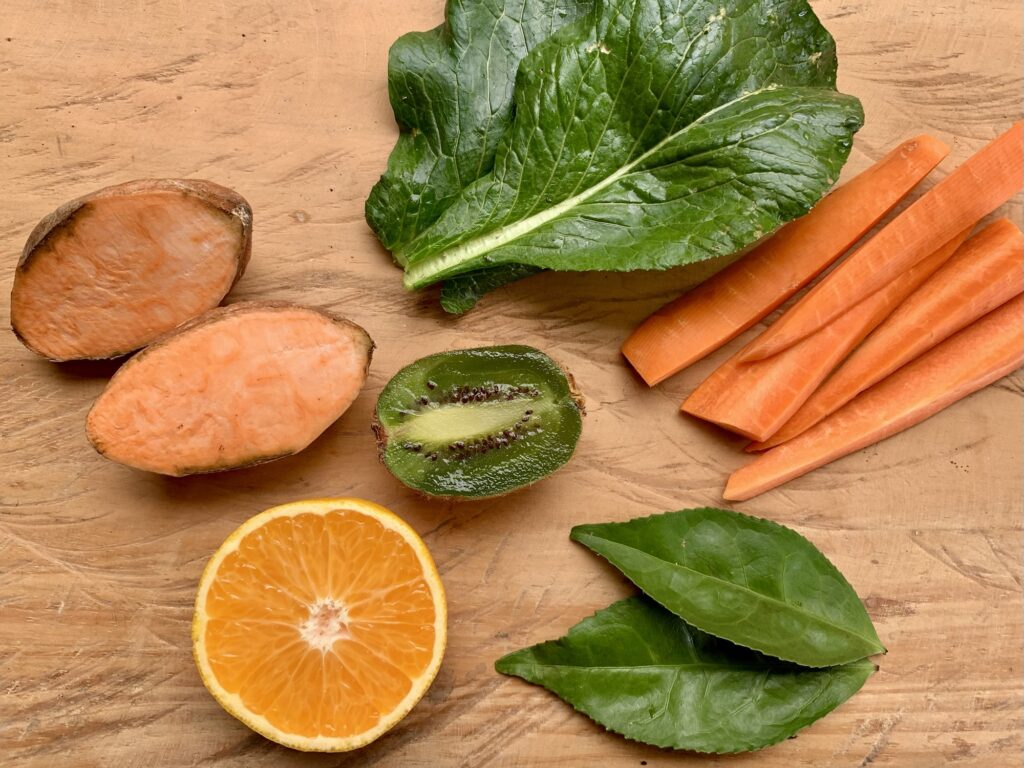
These foods are excellent sources of beta carotene, a pigment that has been shown to help protect the skin from sunburn. One study found that people who consumed it regularly could be exposed to sunlight longer before the skin became red and inflamed. Cantaloupe and red peppers are also great sources of beta carotene.
Leafy Greens & Broccoli
Leafy greens, like spinach and kale, and broccoli contain both beta carotene and vitamin E, which helps to protect and heal the body from the damaging effects of exposure to solar radiation. These foods also contain powerful antioxidants, lutein and zeaxanthin, that can help protect skin from sunburn.
Oranges & Kiwi
Oranges and kiwi are rich in vitamin C, which is touted for its numerous beneficial effects on the skin. It boosts collagen production to help improve elasticity and resilience. It is said to help fade sun spots and even tone. Vitamin C also supports skin healing, preventing premature aging and lengthening the time it takes for skin to burn due to sun exposure.
Fatty Fish
Fatty fish, like salmon, mackerel, herring and sardines, contain omega-3 fatty acids, which may have a protective effect on the skin. They are said to help reduce skin aging and improve skin’s ability to withstand sunburn.
Additionally, consuming fish oil has been shown to help protect the skin from inflammation and damage due to sun exposure. One study found that eating “large quantities” can offer sun protection that is equivalent to SPF 5. (Korać and Khambholja).
Green Tea
Green tea (Camellia sinensis) is rich in polyphenols, constituents that reduce inflammation and protect the body from the detrimental effects of sun exposure. Research shows that drinking green tea and applying it topically helps to protect and repair skin cells and decrease the amount of DNA damage that is caused by UV exposure. One study found that drinking green tea decreased formation of melanoma cells due to UV radiation, indicating that it may be promising for helping to prevent this type of cancer (OyetakinWhite, et al.).
Coffee
If you’d love a good reason to have another cup of coffee in the morning, its photoprotective benefits may just be it. One study showed that when compared to participants who drank one or less cups of coffee daily, those who drank 4 cups of coffee per day actually had a 40% lower risk of developing malignant melanoma, a type of cancer that often develops in areas exposed to sunlight and is associated with a history of sunburn. Decaf coffee, however, did not seem to possess the same positive effects.
Foods to Avoid
If you’re trying to improve your skin’s ability to withstand UV exposure, you’ll want to cut limes, celery, bergamot, parsley, figs, and cloves from your diet. These foods contain psoralens, which are compounds that increase the skin’s sensitivity to UV light and can increase your risk of sunburn and skin damage.
Support Your Skin’s Resilience to Sun Damage with Photoprotective Foods
While diet alone won’t be enough to keep you and your kids from getting a sunburn on the sunniest of days, it can help to lend extra protection to give your skin’s natural defenses against UV damage a boost. Try adding some of these foods to your diet this summer to support your skin health from the inside out.
Check out these posts for more information about caring for skin during the summer months:
References
Ellis, Esther. “SPF: Sun Protection Foods: Food & Nutrition Magazine: Volume 10, Issue 4.” Food & Nutrition Magazine, 30 Aug. 2021.
Korać, Radava R., and Kapil M.. “Potential of herbs in skin protection from ultraviolet radiation.” Pharmacognosy Reviews, vol. 5, no. 10, 2011, p. 164, https://doi.org/10.4103/0973-7847.91114.
OyetakinWhite, Patricia, et al. “Protective mechanisms of green tea polyphenols in skin.” Oxidative Medicine and Cellular Longevity, vol. 2012, 2012, pp. 1–8, https://doi.org/10.1155/2012/560682.
Rescio , L., et al. “Lycopene, photoprotection and skin care: The benefits of organic quality.” Journal of Plastic Dermatology, vol. 6, 2010, pp. 37–47.
Sies, Helmut, and Wilhelm Stahl. “Nutritional protection against skin damage from sunlight.” Annual Review of Nutrition, vol. 24, no. 1, 14 July 2004, pp. 173–200, https://doi.org/10.1146/annurev.nutr.24.012003.132320.
Stahl, W., et al. “Dietary tomato paste protects against ultraviolet light-induced erythema in humans.” The Journal of nutrition vol. 131,5 (2001): 1449-51. doi:10.1093/jn/131.5.1449


One comment on “Eat Your Sunscreen”