Last Updated on January 21, 2026
Evergreens have been an important part of winter celebrations since ancient times. From wreaths, garlands, and the classic Christmas tree, decorating with pine, fir, and spruce has long been a quintessential part of festive traditions.
Evergreens are also a lovely ingredient in the holiday kitchen. Pine, spruce, and fir are all edible and can be a delicious addition to beverages, baked goods, condiments, and more!
I work with pine the most because it grows abundantly near my home. Baking pine Christmas cookies has become a tradition I look forward to every year. It has a delightful flavor that’s both citrusy and herbal, bringing a unique and festive touch to holiday treats.
Benefits of Pine Needles
In addition to its long history of decorative use around the winter holidays, pine (Pinus spp.) has also been an important part of folk medicine traditions for centuries. Native Americans used pine needles during the winter months to support health, and for common seasonal illnesses like cold and flu.
Modern science supports the traditional use of pine to support a variety of health issues. Pine needles are rich in antioxidants, vitamins, and minerals.
Studies have demonstrated that the needles of different pine species have numerous beneficial effects, including anti-inflammatory, antiviral, and antibacterial properties (Koutsaviti et al., 2021; Oh et al., 2023). Some research even suggests that pine may have important potential in cancer treatment (Kwak, Moon, & Lee, 2006).
Foraging Pine Needles
While many plants die back in the wintertime, pine (Pinus spp.) and other types of evergreen trees continue to boast fresh foliage that is perfect for foraging. Because pines are found worldwide and are pretty common in most places, it’s more than likely you have one or more varieties growing near your home.
Each pine species will have a slightly different flavor profile, so if you have several options, you can nibble the needles to find out which tastes best. Just avoid consuming Norfolk Island pine (Araucaria heterophylla), which is not a true pine, and yew trees (Taxus spp.), which are highly toxic. A local field guide can help you identify the evergreens that grow in your area.
Once you’ve found a suitable pine tree, gather the young, tender needles from the tips of the branches. Older needles work as well, but they tend to have a more bitter, tannic taste. You’ll only need a large handful or two. Then whip up a batch of pine infused sugar cookies for a festive, foraged treat this holiday season.
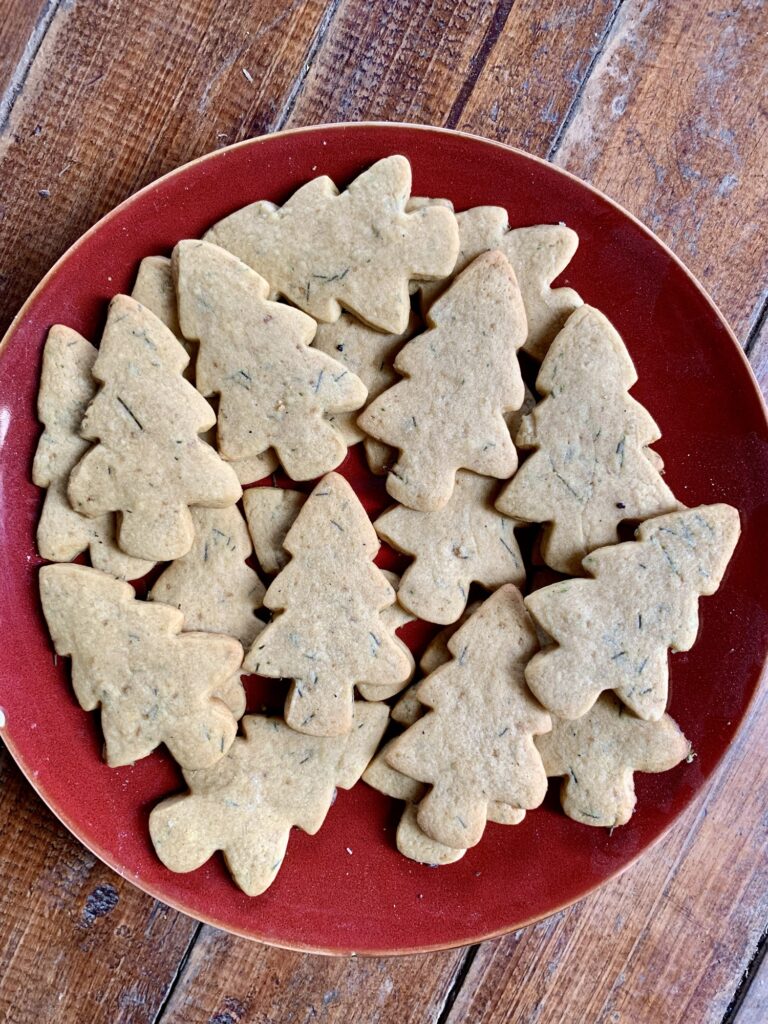
Making Pine Needle Sugar Cookies
Once you’ve gathered some fresh pine needles, it’s time to get baking! These classic sugar cookies get a subtle, festive twist from the pine, making them the perfect addition to holiday cookie trays.
What You Need to Make Pine Needle Sugar Cookies
Here’s everything you’ll need to make this festive foraged treat:
- Brown sugar
- Softened butter
- An egg
- Vanilla extract
- Almond extract
- Flour
- Baking soda
- Cream of tartar
- Fresh pine needles, very finely chopped
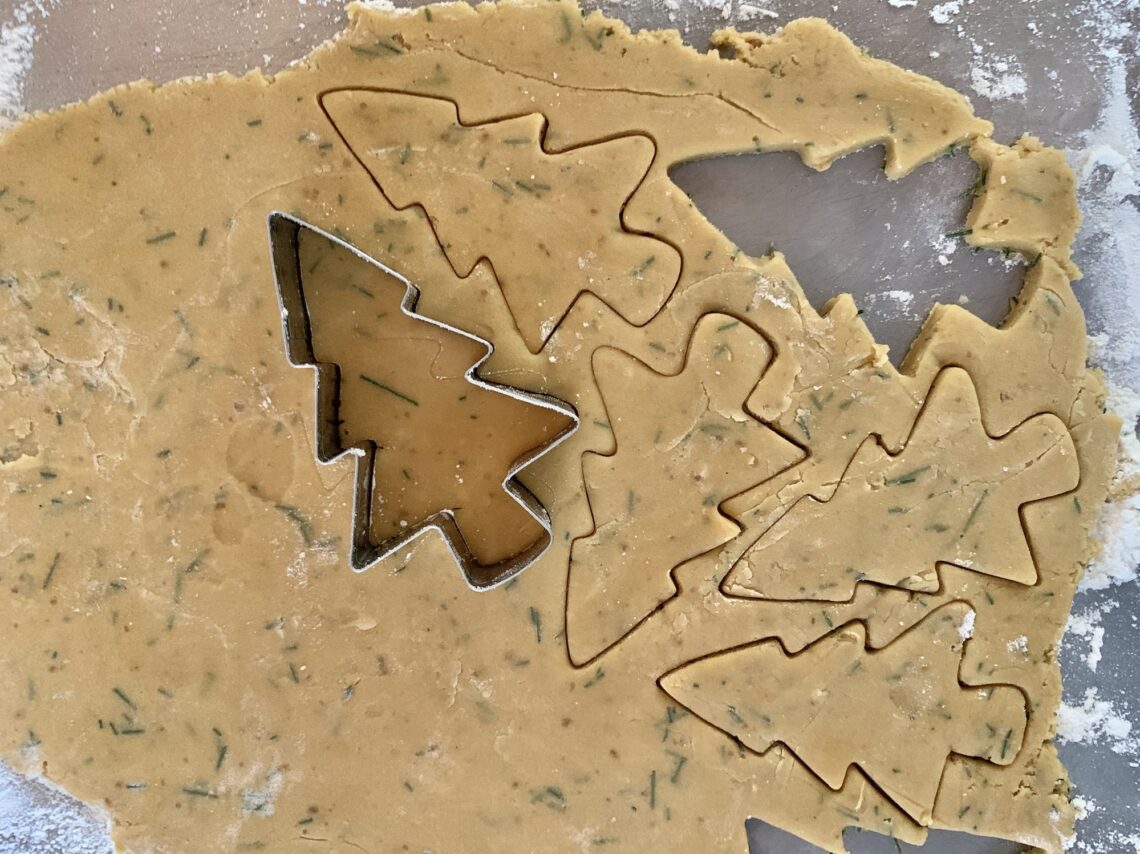
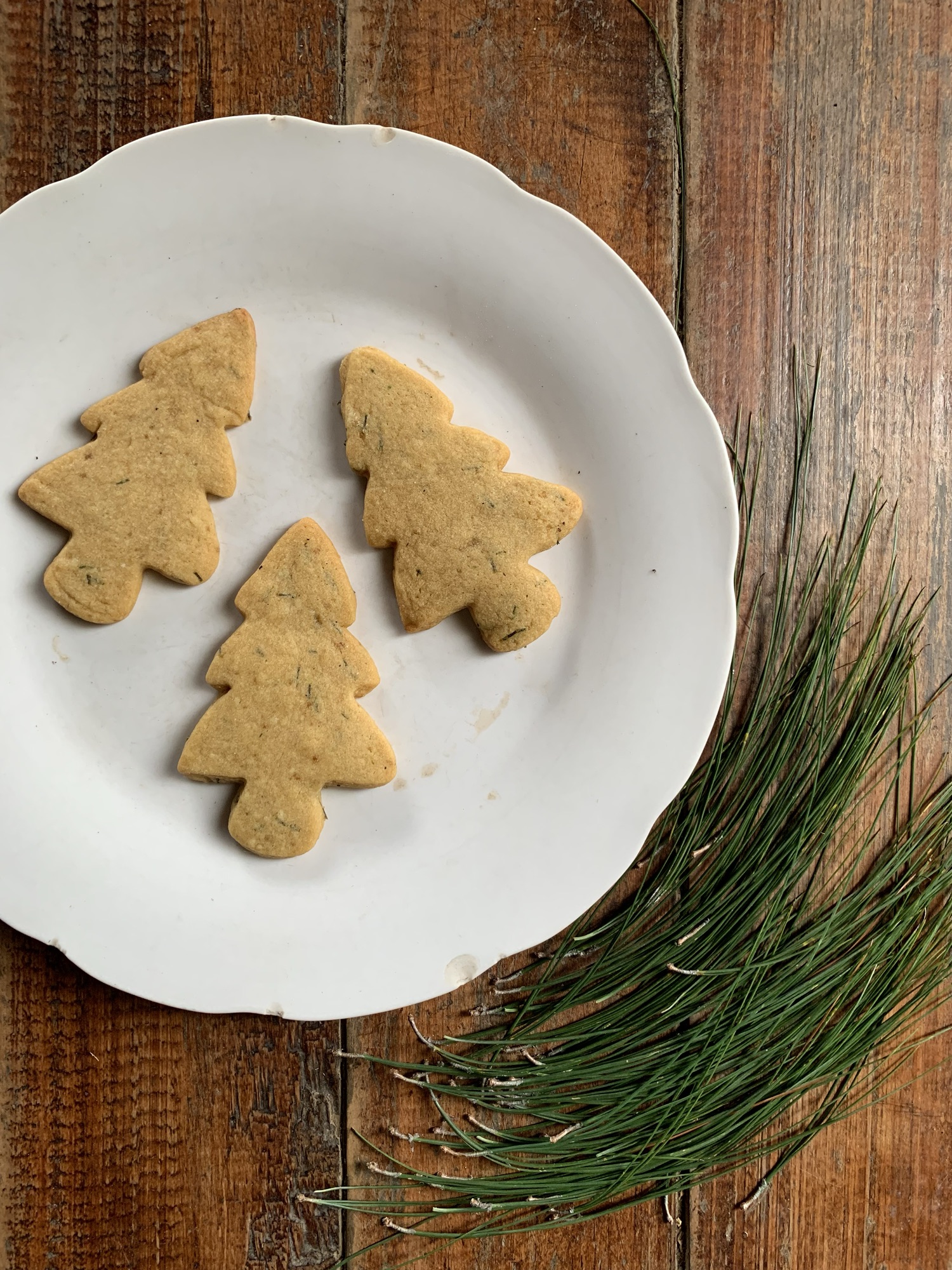
You can use whatever cookie cutters you have on hand to cut out your pine needle sugar cookies, but I like using a pine tree shaped cookie cutter for an extra festive touch.
How to Make Pine Needle Sugar Cookies
In a large bowl, mix together the brown sugar, butter, egg, vanilla extract, and almond extract until creamy.
Add the flour, baking soda, cream of tartar, and pine needles and stir until well combined.
Cover the bowl with plastic wrap or a silicone bowl cover and refrigerate it for 2 hours. This makes the dough a little firmer and less sticky, so it is easier to roll out.
Preheat the oven to 375°F. Roll the dough out to 1/16 inch on a clean and lightly floured countertop.
Use cookie cutters to cut the dough into shapes. Gently transfer the cookies to a cookie sheet. A spatula can come in handy to help keep from smooshing the shapes.
Bake for about 7-10 minutes or until the edges are very lightly browned. Exact baking time will vary depending on your oven and the elevation you’re baking at. If you do check the cookies and they don’t seem quite done, you can pop them back in the oven for another minute, but be sure to keep an eye on them as they can start to burn very quickly.
Other Ways to Work With Pine in the Kitchen
Pine’s bright, citrusy-herbal flavor makes it a tasty addition to a variety of festive recipes. Here are a few ideas to try:
Pine Syrup
Infuse simple syrup with pine needles to add to holiday cocktails or drizzle over pancakes, waffles, or desserts.
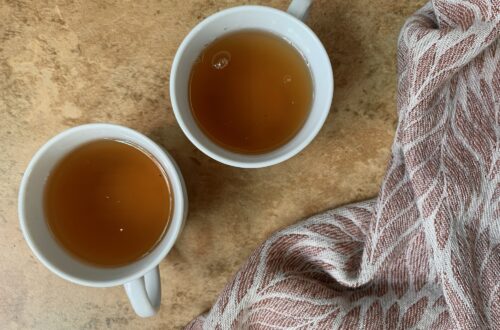
Pine Tea
A mug of pine needle tea is the perfect cozy beverage for winter evenings. Here’s a festive blend I love sipping during the holiday season:
- 3 parts fresh pine needles
- 1 part anise seeds
- ⅛ part fresh ginger root
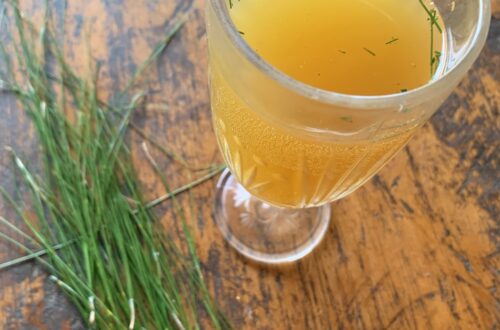
Wild Fermented Pine Soda
Rich in probiotics, this homemade wild-fermented drink is a delicious alternative to sugary store-bought beverages. Find my full recipe here.
Baked Goods
Try adding pine to muffins, scones, or shortbread for a festive herbal twist. It also makes a great addition to other types of holiday cookies, like these Pine Snickerdoodles and Winter Solstice Crinkle Cookies.
Condiments
Pine adds an interesting depth of flavor to a variety of condiments. My favorite is Pine Needle BBQ Sauce, which I make to go with the pork ribs we make every year for my family’s Christmas dinner.
Christmas Kraut
This year I added a small amount of fresh pine needles to a batch of sauerkraut. It was a fun experiment that turned out quite well!
A Festive Foraged Cookie for Winter Celebrations
Spread a little cheer this season by bringing a plate of these pine needle cookies to a holiday party, or packaging them up and gifting them to friends and family. This herbal twist on the classic sugar cookie just might become a new favorite that you find yourself making every year!
Ingredients
Equipment
Method
- In a large bowl, mix together the brown sugar, butter, egg, vanilla extract, and almond extract until creamy.
- Add the flour, baking soda, cream of tartar, and pine needles and stir until well combined.
- Cover the bowl with plastic wrap or a silicone bowl cover and refrigerate it for 2 hours. This makes the dough a little firmer and less sticky, so it is easier to roll out.
- Preheat the oven to 375°F. Roll the dough out to 1/16 inch on a clean and lightly floured countertop.
- Use cookie cutters to cut the dough into shapes. Gently transfer the cookies to a cookie sheet. A spatula can come in handy to help keep from smooshing the shapes.
- Bake for about 7-10 minutes or until the edges are very lightly browned. Exact baking time will vary depending on your oven and the elevation you’re baking at. If you do check the cookies and they don’t seem quite done, you can pop them back in the oven for another minute, but be sure to keep an eye on them as they can start to burn very quickly.
For more holiday cookie recipes, check out these posts:
- Pine Snickerdoodles
- Spitzbuben: Swiss Jam Cookies
- Vanillegipfeli: Swiss Vanilla Crescent Cookies
- Winter Solstice Crinkle Cookies
References
Koutsaviti, A., Toutoungy, S., Saliba, R., Loupassaki, S., Tzakou, O., Roussis, V. & Ioannou, E. (2021). Antioxidant Potential of Pine Needles: A Systematic Study on the Essential Oils and Extracts of 46 Species of the Genus Pinus. Foods. 10. 142. 10.3390/10010142.
Kwak, C. S., Moon, S. C., & Lee, M. S. (2006). Antioxidant, Antimutagenic, and Antitumor Effects of Pine Needles (Pinus densiflora). Nutrition and Cancer, 56(2), 162–171. https://doi.org/10.1207/s15327914nc5602_7
Oh, Y. J., Kim, Y. S., Kim, J. W., & Kim, D. W. (2023). Antibacterial and Antiviral Properties of Pinus densiflora Essential Oil. Foods (Basel, Switzerland), 12(23), 4279. https://doi.org/10.3390/foods12234279