Herb teas, properly prepared, are warming and soothing to the soul. They provide essential medicinal qualities and healing energy. Preparing and drinking herb teas involves us in the personal process of healing and teaches us to be conscious of the role we each play in our well-being.
—Rosemary Gladstar
Drinking herbal teas can be an important part of boosting and maintaining health. If you’re new to herbalism, they are a wonderful way to get started. Making a tea is one of the simplest and most inexpensive ways to prepare herbs m. There is no complicated equipment or processing required. In fact, you probably already have all the tools you need in your kitchen.
With just a few simple steps, anyone can begin preparing herbal teas at home and incorporating them into daily life.

How to Make Herbal Teas
Herbal teas can be made using just one herb, or a blend of several herbs. The standard proportion is 1 teaspoon of dried herbs, or 2 tablespoons of fresh herbs to every cup of water. If you’re making a quart of tea, you will use about 4–6 tablespoons of dried herbs.
This ratio is just a guideline. The amount of herb you will want to use will depend on the quality of the herb and how you will be using the tea. Let taste and your knowledge of the herb be your guide. Since you will only be using safe and non-toxic herbs to make teas that you take internally, you do not need to use extremely specific amounts of herb anyway.
There are a two basic ways to properly prepare a medicinal tea: infusion and decoction. I’ll cover these methods below.
Making Herbal Infusions
Infusions, also called tisanes, are the method of choice when working with delicate portions of the plant, including the flowers, leaves, seeds, fruits, or roots with high concentrations of volatile oils.
To make an infusion: Place the plant matter in a jar, bowl, pot, etc. with a tight fitting lid. Bring water to a boil and pour it over the herb. Quickly cover the container. Let the tea steep for 10–20 minutes. Strain the herbs & enjoy.
The amount of time you will want to steep your tea will depend on the type of herbs being used and what constituents you are trying to extract into your infusion.
For example, tannins, which are found in black tea and other herbs, are extracted very quickly and can make your tea bitter if it is steeped too long. Sometimes, however, it is beneficial to let teas steep for several hours or over night to help extract their nutritive properties.
As you become more familiar with herbs you will get a better feel for when a longer or shorter steeping time would be most appropriate.
Making Herbal Decoctions
Decoctions are preferable when brewing tougher parts of a plant, like roots, barks, nuts, and non-aromatic seeds. This method should not be used, however, for roots with high amounts of volatile oils, which are easily destroyed by heat. These herbs should be prepared as an infusion instead. Examples are valerian and golden seal.
To make a decoction: Add the herbs and cold water to a pot. Cover tightly, as this will prevent the loss of important nutrients. Bring the water gently to a boil. Then simmer over low heat for 15-20 minutes. Do not bring to a rolling boil. Remove from heat, strain out the herbs, & enjoy.
For a stronger medicinal tea, let the herbs steep overnight after decocting.
Roots and barks are quite tough and have high concentrations of plant chemicals. So, they often can be decocted 3–4 times before they are fully spent. The strength of the decoction will be milder with each brewing. You can choose to appreciate the lighter flavor or add a bit of fresh herb to make it more flavorful.
A Third Method
What if your tea blend contains both roots/bark and leaves/flowers?
First decoct the roots/bark as described above. Then remove the pot from heat and add the leaves/flowers to infuse. Replace the lid and let the blend steep for the desired amount of time. Strain out the herbs & enjoy.
This method will provide the most medicinal benefit. However, if you’re preparing the blend for the simple enjoyment of the beverage, it doesn’t matter as much if you infuse or decoct your herbs.
Storing Herbal Teas
Water does not have preservative properties, so tea will not last very long. It is best when made fresh daily, but can be stored in the refrigerator or a cool place for a few days. If your tea begins to bubble or takes on a strange odor or taste, it’s time to discard it and make a new batch.
Enjoying Herbal Teas
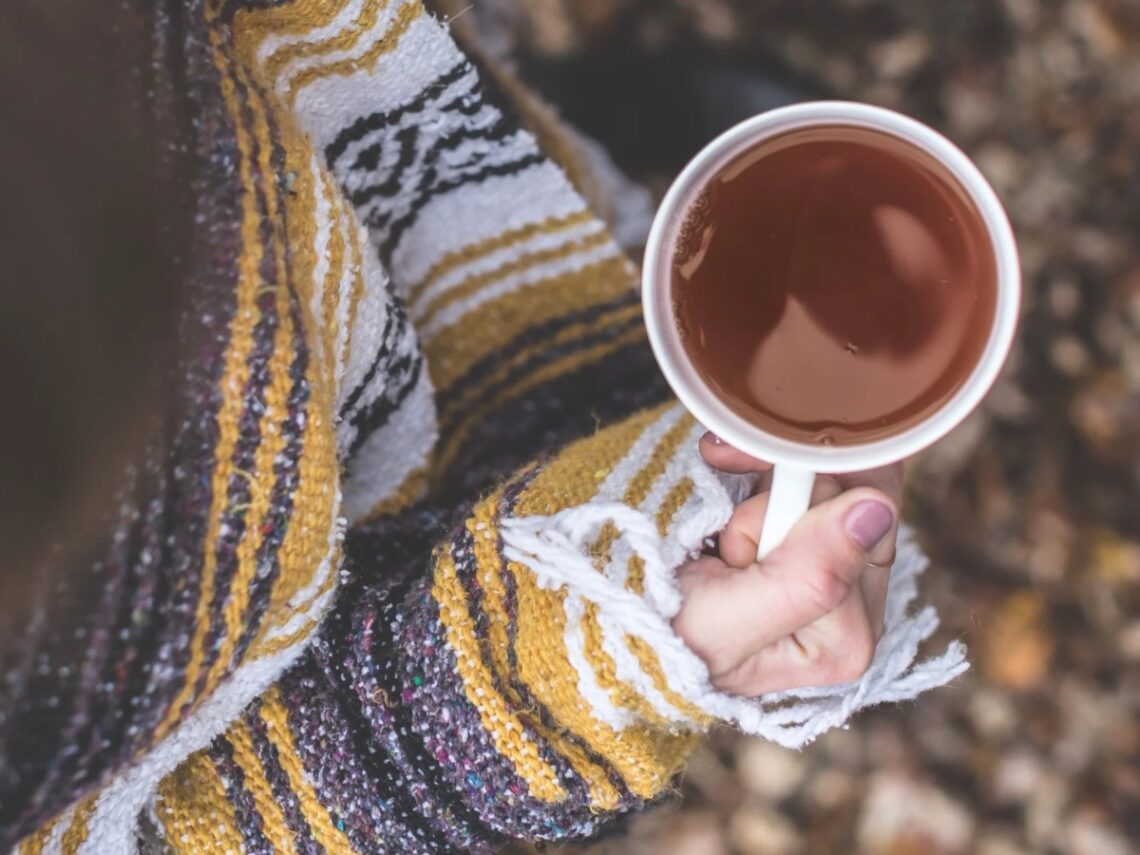
Enjoy your medicinal brews hot or cold. You can add a bit of honey, if desired. However, as you learn more about different plants, you may just find ways to nicely flavor tea blends with herbs that also have medicinal benefits. For example, mint, licorice, marshmallow, cinnamon, lemon balm, orange peel, and many other herbs provide a health & flavor boost to teas.
Be creative and have a bit of fun with it! Crafting tea blends can be an empowering and tasty way to improve your health.

How Much Herbal Tea to Drink
Exactly how much tea one should drink will vary greatly depending on the herbs used and the desired effect. However, for many herbal teas to be beneficial, it is important to drink them regularly.
Teas can be helpful for acute health problems, but they are best at nourishing the body and improving health gradually over a period of time. They are most effective at treating chronic health issues. When drunk faithfully, they will provide lasting results.
How much tea you should drink daily will depend on the health issue at hand and the type of herbs being used. A guideline for chronic and reoccurring health problems would be to drink 3–4 cups daily for 3–4 months, allowing a day or two break from your routine each week.
For acute problems, drinking small, frequent doses is most effective. For example, one might take 1/4 cup tea every half an hour until their symptoms subside. The exact amount of tea and the frequency of dosing will depend on the specific situation and the herbs being used.
To encourage yourself to drink your herbal teas in sufficient doses, make a quart of tea in the evening or first thing in the morning. Put it in a quart jar or thermos and keep it nearby throughout the day, sipping on it regularly.
If one has no current health issues, but would like to boost overall vitality and resiliency, making a habit of drinking teas made of nourishing, tonic herbs is a great way to improve health. Some of my favorites are nettle, oat straw, and raspberry leaf.
Please note that I’m not a medical doctor, and this information is meant for educational purposes only. Always listen to your body and consult a qualified professional if you have any concerns.

Make Drinking Tea a Daily Ritual
Taking time to make and enjoy tea can be a powerfully grounding ritual. It’s not very time consuming and when drunk regularly, teas can help to ease health issues or boost overall vitality, allowing that person to be better equipped to handle the stresses of daily life.
For tea recipes, check out this post:
References:
Chevallier, Andrew. Encyclopedia of Herbal Medicine. 2nd ed., Dorling Kindersley Publishing, 2000.
Gladstar, Rosemary. Herbal Healing for Women.
Kloss, Jethro. Back to Eden.