Last Updated on June 25, 2026
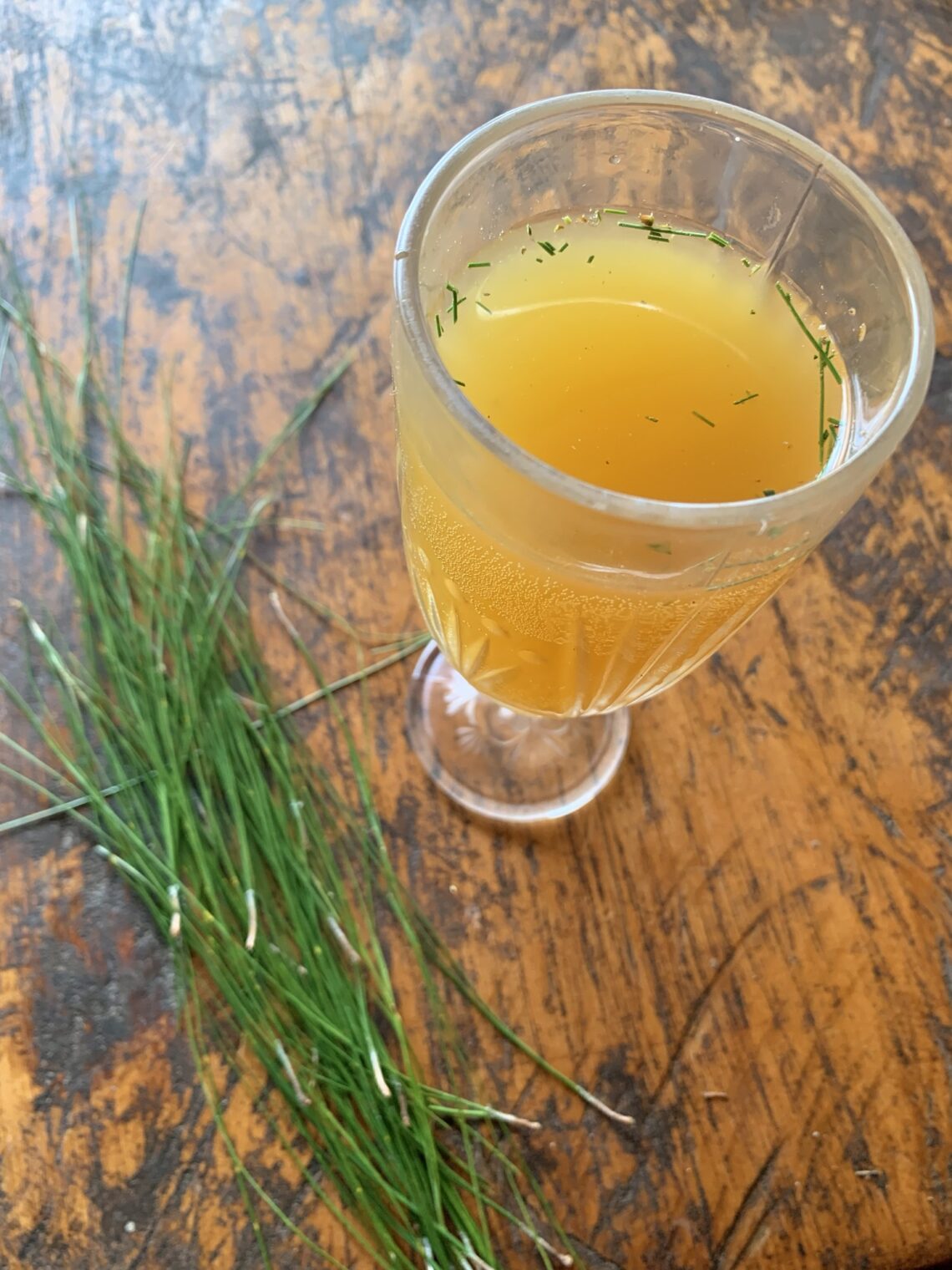
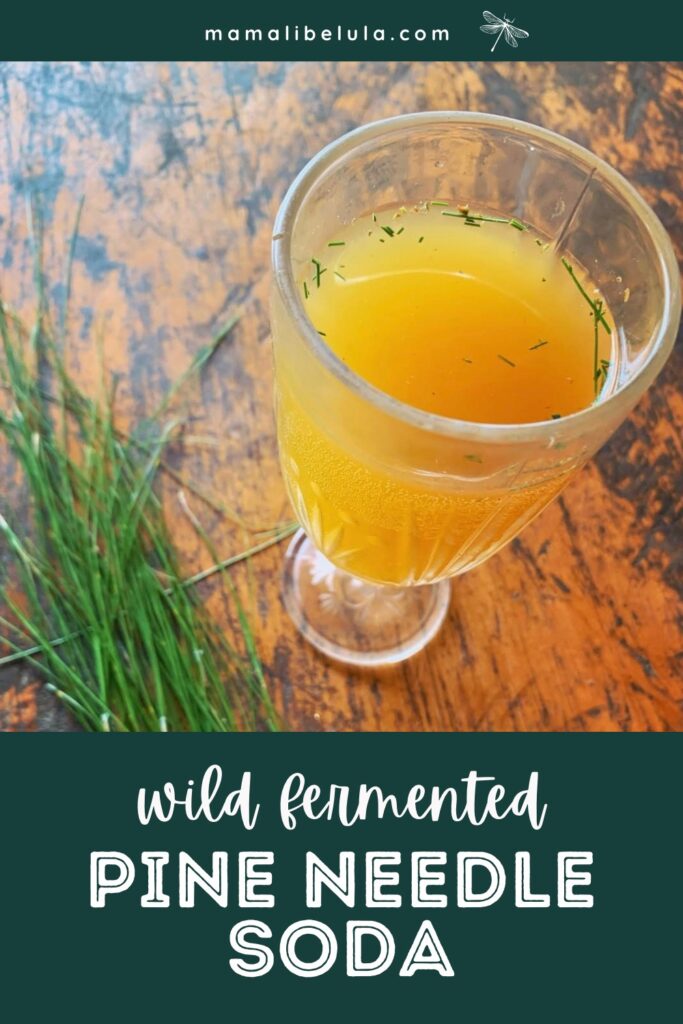
Making pine needle soda is a fun wintertime project. Rich in probiotics, this homemade wild-fermented drink is a delicious alternative to sugary store-bought beverages.
Whipping up some pine soda is also a great activity to do with little ones. Crafting this bubbly beverage is a simple way to introduce children to the wonders of foraging and fermentation. And kids will love drinking something they helped make!
This post contains affiliate links. As an Amazon Associate, I may earn a commission (at no cost to you) if you click through the link and finalize a purchase.
Foraging Pine
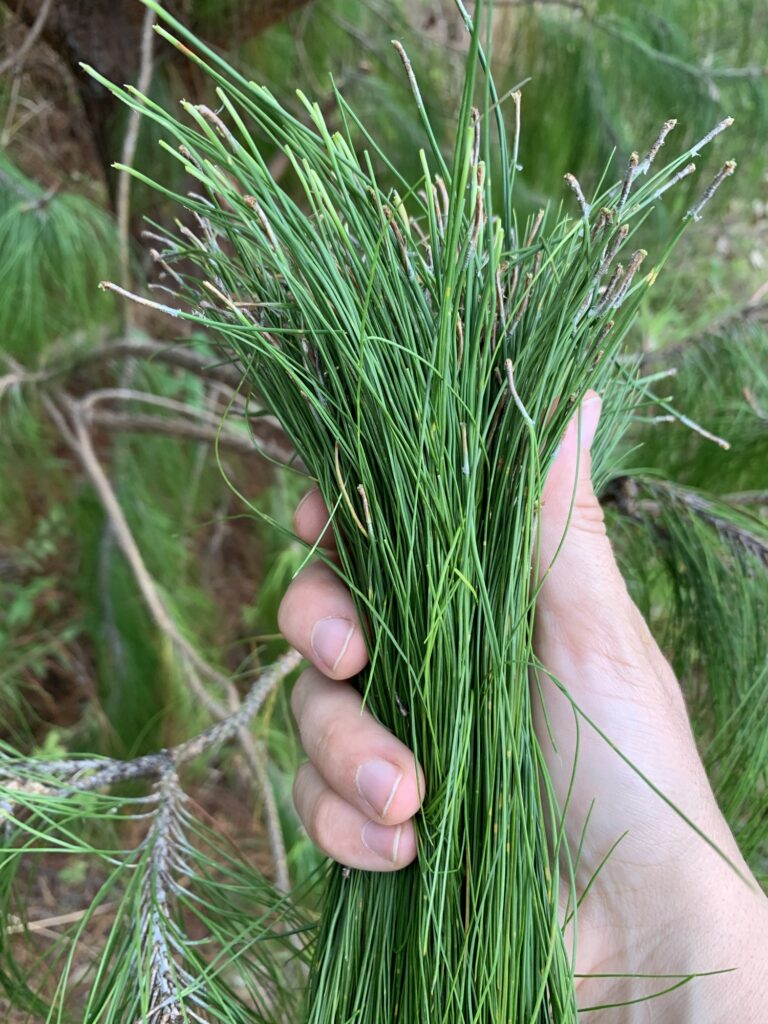
To make wild fermented pine soda, you’ll first need to gather some some fresh pine needles. Pinus spp. are pretty common in most parts of the world, so there’s a good chance that you have one or more species that grow near you.
A distinguishing feature of pine trees is that their needles are attached to their branches in clusters of 2, 3, or 5. A local field guide can help identify the specific types of pines that grow in your area.
Most pines are edible and have medicinal properties. Different species of pine will have different flavor profiles, so if you have a few types of pine growing near you, you can take a small nibble of the needles from each type to see which one tastes best to you.
Norfolk Island pine (Araucaria heterophylla), which is not a true pine, should be avoided. When foraging any type of evergreen, it is important to not to confuse them with yew (Taxus spp.), as all parts of these plants are severely toxic.
Here are a few basic principles for foraging to keep in mind when you’re harvesting pine for soda, as well as any other time you’re gathering wild plants:
- Harvest responsibly. Only take what you need and only collect plants where it is permitted.
- Be mindful of your impact in wild spaces, being careful not to disturb wildlife or trample flora.
- Do not harvest from a plant that has been sprayed with pesticides and other toxic chemicals or those that are growing on the roadside, where there is pollution from cars.
- It is very important to properly ID any plant you plan to consume or use as medicine. Be aware of toxic look-alikes.
Naturally Fermented Soda
Cultured ferments involve inoculation with a specific strain of yeast. Using cultivated yeasts is popular with beer and wine makers because it generally produces fast, consistent results. In wild-fermentation, however, naturally occurring yeasts are responsible for the fermentation process. Spontaneous fermentation is more unpredictable, but also more robust due to the diversity of microorganisms involved.
Sandor Katz, author of Wild Fermentation, says, “Wild fermentation is a way of incorporating the wild into your body, becoming one with the natural world. Wild foods, microbial cultures included, possess a great, unmediated life force, which can help us adapt to shifting conditions and lower our susceptibility to disease,”(Katz).
Wild-fermented sodas are very simple to make and are generally ready to drink in just a few days. The exact fermentation time will vary, depending on the strains of yeast and the room temperature of your home. Your sodas will generally ferment a bit slower in the colder winter months and faster when it’s warm outside.
The addition of sugar feeds the yeasts, which in turn produce the carbon dioxide that gives fermented sodas their fizz. While refined sugar could be used instead, panela, an unrefined cane sugar that is popular in Latin America, adds a more nuanced flavor that has notes of molasses and caramel. Panela is also more nutritious than white sugar because the vitamins and minerals in the sugar cane are not removed during processing. Panela may also be called chancaca or piloncillo.
Pine Soda Benefits
While store-bought sodas are definitely not beneficial for health, naturally fermented sodas actually boast gut-loving properties due to probiotics. Crafting these beverages with nutrient-rich, medicinal herbs further boosts their healing effects.
Pine is an expectorant that can be helpful for easing coughs caused by chest congestion. It is also soothing for sore throats. It is rich in vitamin C and promotes healthy immune function. Pine also has antimicrobial properties and may be helpful for fighting off infections (de la Forêt).
How to Make Wild Fermented Pine Soda
Making your own wild fermented sodas is really simple and only requires a few ingredients.
To Make Pine Soda You Will Need:
- Fresh pine needles, finely chopped
- Panela sugar (unrefined cane sugar) or brown sugar
- Filtered or spring water
- 16 oz flip-top bottle
Directions:
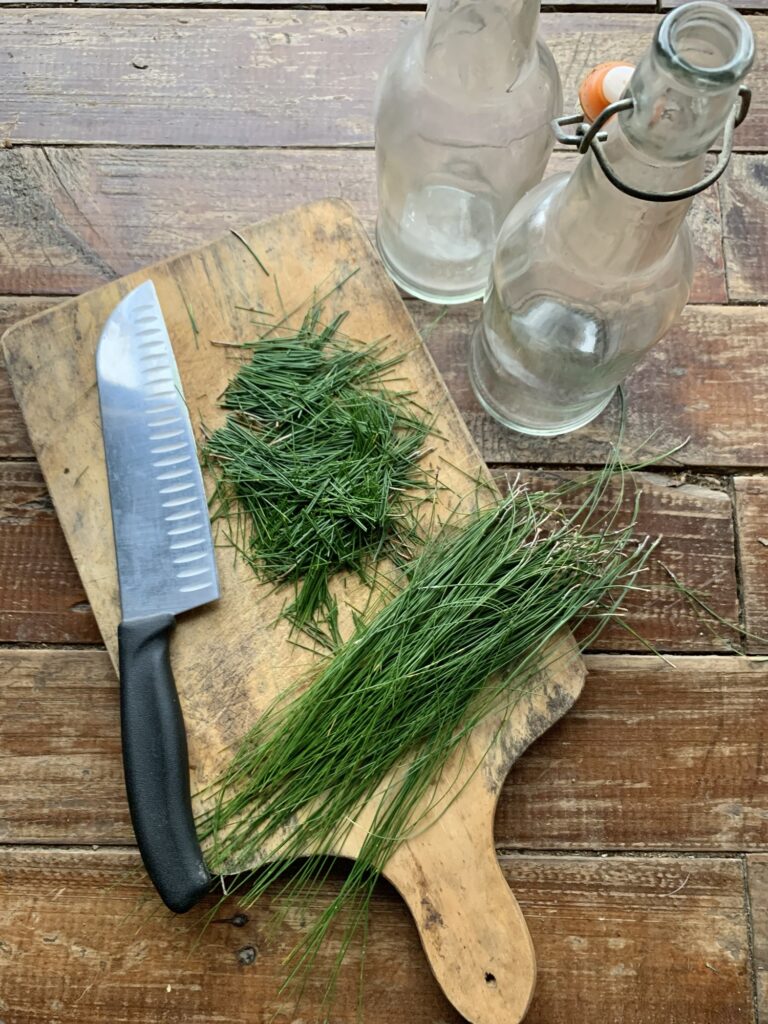
Roughly chop the pine needles. Add the pine needles and panela to a flip-top bottle. A funnel can be helpful for making this process go more quickly.
Fill the bottle up with water, leaving about 2 inches of headspace. Cap the bottle and shake it well. Then store the bottle in a warm spot out of direct sunlight.
After 2 days, carefully open the bottle to check the carbonation level of the liquid. Be sure to do this slowly, releasing some of the pressure before you fully open the bottle to keep the drink from bubbling over.
Your wild-fermentated soda is ready to drink when it gets nice and bubbly when the bottle is opened.
If the soda isn’t fizzy enough after 2 days, leave it to ferment and check it again the following day. The soda may take several more days to finish fermenting. Check it daily until it has reached the desired level of carbonation.
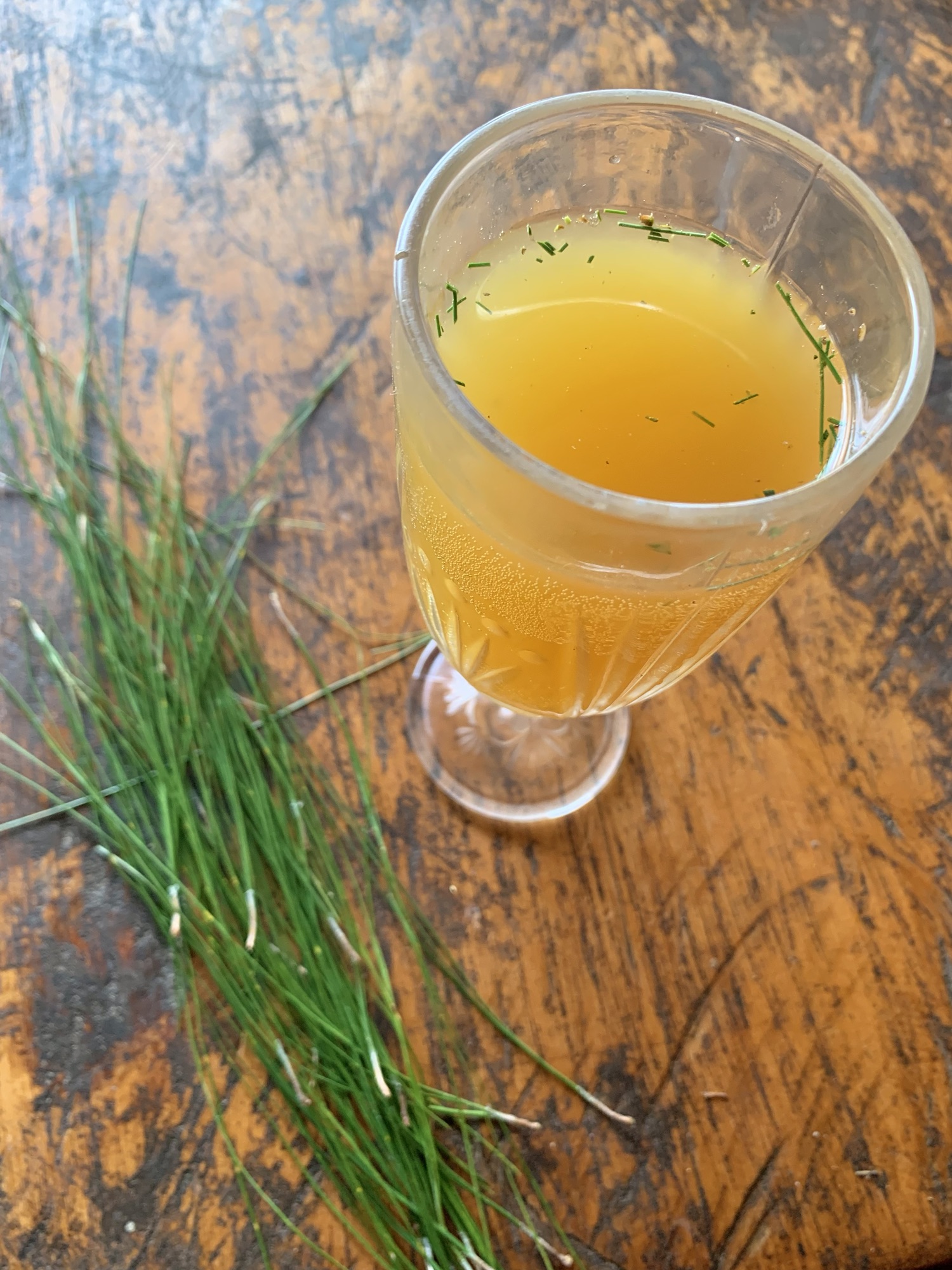
When the soda is ready, strain it through a very fine mesh strainer or cheese cloth. Serve chilled, or enjoy over ice. Store the soda in the refrigerator to slow fermentation if you don’t plan to drink it right away.
A Festive Drink for the Winter Months
Since ancient times, evergreens have been symbols of resilience and life through the darkest days of the year. Crafting a beverage from pine needles is a simple way to honor those traditions and benefit from pine’s supportive properties during the coldest months.
Serve pine needle soda at a winter solstice gathering, pour it alongside a holiday meal, or enjoy it as a seasonal treat with your family. Sipping this fizzy beverage is a simple way to slow down and savor the magic of winter.
Ingredients
Equipment
Method
- Roughly chop fresh pine needles.
- Add the pine needles and panela to a flip-top bottle.
- Fill the bottle up with water, leaving 2 inches of headspace.
- Cap the bottle and shake well.
- Store the bottle in a warm spot out of direct sunlight.
- After 2 days, carefully open the bottle to check the carbonation level of the liquid. It’s ready to drink when the soda gets nice and bubbly when the bottle is opened.
- If the soda isn’t fizzy enough after 2 days, leave it to ferment and check it again the following day. The soda may take several more days to finish fermenting. Check it daily until it has reached the desired level of carbonation.
- Strain through a fine mesh strainer. Serve chilled, or enjoy with ice. Store the soda in the refrigerator to slow fermentation if you don’t plan to drink it right away.
For more pine recipes, check out these posts:
- Pine Infused Vinegar
- Pine BBQ Sauce
- Pine Needle Sugar Cookies
- Pine Snickerdoodles
- Winter Solstice Crinkle Cookies
Pine also makes a lovely addition to natural skin and hair care products. These posts include tutorials for how to make your own:
References
de la Forêt, Rosalee. “Pine Properties.” HerbalRemediesAdvice.Org, www.herbalremediesadvice.org/pine-properties.html. Accessed 9 Oct. 2024.
Katz, Sandor Ellix. Wild Fermentation: The Flavor, Nutrition, and Craft of Live-Culture Foods. Chelsea Green Publishing, 2016.


One comment on “Wild Fermented Pine Needle Soda”